Double Trouble: What to Do When Multiple Pets Go Missing
Losing one pet is hard enough. Here's how to handle the unique challenges of multiple missing animals.
The Initial Shock: Triage and Immediate Actions
Discovering that more than one pet is missing can be overwhelming. Your immediate reaction might be panic, but taking a few deep breaths and implementing a triage strategy is crucial. First, confirm that all pets are indeed missing. Thoroughly search your home and yard, checking common hiding spots. If you have children, enlist their help, but ensure they understand the importance of a calm and quiet search to avoid scaring the pets further away.
Once confirmed, prioritize based on each animal’s specific needs and vulnerabilities. Consider age, health conditions, and temperament. A senior dog with arthritis requires a different search approach than a young, energetic cat. A pet with a medical condition requiring medication needs to be found quickly. Designate roles within your search party. One person can focus on immediate neighborhood canvassing, while another starts preparing flyers and online posts. Time is of the essence, especially in adverse weather conditions.
Remember to grab recent photos of each pet. These will be vital for creating flyers and sharing on social media. Gather any information about their microchip numbers and vaccination records. Having these details readily available will streamline the reporting process later.
Efficiently Filing Multiple Lost Pet Reports
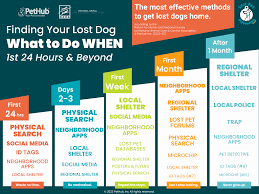
Filing separate lost pet reports for each animal can be time-consuming, but it’s essential for maximizing your chances of a successful recovery. Start by contacting local animal shelters, animal control agencies, and veterinary clinics. Most shelters maintain a lost and found database, and a detailed report with accurate descriptions and photos is crucial. Inquire about their procedures for handling multiple pet reports; some may offer a streamlined process.
Next, utilize online resources. Several websites and social media groups are dedicated to reuniting lost pets with their owners. Create separate posts for each pet, including clear photos, descriptions, and any unique identifying features. Be sure to include your contact information and the area where the pets were last seen. When posting on social media, use relevant hashtags to increase visibility. Consider boosting your posts within a specific radius of your home to target local residents.
Keep a detailed record of all reports filed, including dates, times, and contact information for each agency or organization. This will help you stay organized and follow up effectively. Designate one person to be the point of contact for all inquiries to avoid confusion and ensure consistent communication.


Expanding the Search Area and Utilizing Resources
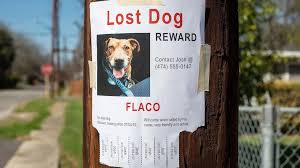
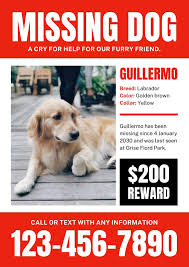
If the initial search efforts prove unsuccessful, it’s time to expand your search area and explore additional resources. Consider creating physical flyers with clear photos and concise descriptions of each pet. Post these flyers in high-traffic areas, such as grocery stores, community centers, and veterinary clinics. Offer a reward, if possible, to incentivize people to keep an eye out. Remember to include tear-off tabs with your contact information for easy reference.
Engage with your local community. Talk to neighbors, mail carriers, and delivery drivers, as they may have spotted your pets during their routes. Utilize lost pet alert services, which can send targeted notifications to residents in your area. Consider contacting local search and rescue organizations or pet detectives, who have specialized skills and resources for locating lost animals. They may use tracking dogs or other advanced techniques to aid in the search.
Don’t underestimate the power of social media. Share your posts in local community groups and ask friends and family to spread the word. Create a dedicated Facebook page for your missing pets to provide updates and gather information from the public. Monitor online forums and classifieds for any sightings or reports of found animals that match your pets’ descriptions.
Coping with the Emotional Toll and Supporting Each Other
The emotional toll of having multiple pets missing can be immense. It’s crucial to acknowledge your feelings of grief, anxiety, and helplessness. Allow yourself to cry and express your emotions. Seek support from friends, family, or a therapist. Talking about your feelings can help you process the situation and cope with the stress.
If you have children, be honest and age-appropriate about the situation. Reassure them that you are doing everything you can to find their beloved pets. Involve them in the search efforts, such as creating posters or handing out flyers, to give them a sense of purpose and control. Limit their exposure to news or social media that may be distressing. Maintain a routine and provide extra comfort and affection.
Remember to take care of yourself physically and mentally. Get enough sleep, eat nutritious meals, and engage in activities that you enjoy. Avoid isolating yourself and connect with others who can offer support. Join online support groups for pet owners who have lost animals. Sharing your experiences and connecting with others who understand can be incredibly helpful.
Preventative Measures for the Future
While dealing with the current crisis is the priority, it’s also important to consider preventative measures to avoid similar situations in the future. Ensure that all your pets have up-to-date microchips and that your contact information is registered and accurate. Consider using GPS tracking devices for pets that are prone to escaping or wandering. These devices can provide real-time location information, making it easier to find your pets if they go missing.
Reinforce your yard’s fencing and gates to prevent escapes. Regularly inspect your property for any potential hazards or weaknesses. Train your pets to respond to recall commands and practice these commands regularly in a safe and controlled environment. Consider investing in pet-proof doors or window guards to prevent accidental escapes. If you have a dog that tends to bolt, use a leash and harness during walks and outdoor activities.
Create a pet emergency plan that includes procedures for handling various scenarios, such as natural disasters, house fires, or sudden illnesses. This plan should include contact information for your veterinarian, local animal shelters, and emergency services. Keep a pet first-aid kit on hand and familiarize yourself with basic pet first-aid techniques. By taking these preventative measures, you can significantly reduce the risk of your pets going missing and ensure their safety and well-being.
Key Takeaways
- Lost pets
- Missing pets
- Pet recovery
- Lost dog
- Lost cat
- Pet search
- Multiple pets