Beyond Cats and Dogs: Finding Your Exotic Pet After They Go Missing
Strategies for recovering birds, rabbits, reptiles, and small mammals that go missing.
The Unique Challenges of Lost Exotic Pets
When a beloved dog or cat goes missing, a well-trodden path of recovery efforts exists. Microchipping, widespread familiarity with common breeds, and established search protocols offer a reasonable chance of reunion. However, when a bird, rabbit, reptile, or small mammal vanishes, the situation demands a different approach. These animals often lack the identification methods common in cats and dogs, and their behaviors and survival instincts differ drastically. The general public may not be able to identify a specific breed of rabbit, or know how to safely approach a lost snake. This lack of familiarity adds layers of complexity to the search.
Furthermore, the environments in which these animals can survive vary greatly. A lost parrot may be able to find food and temporary shelter in a tree, while a rabbit might quickly succumb to predators or the elements. Reptiles, being cold-blooded, face temperature-dependent survival challenges. Small mammals, like hamsters or guinea pigs, are particularly vulnerable due to their size and susceptibility to stress and exposure. Understanding these unique vulnerabilities is the first step in tailoring a successful recovery strategy.
Birds: Taking Flight and Staying Found
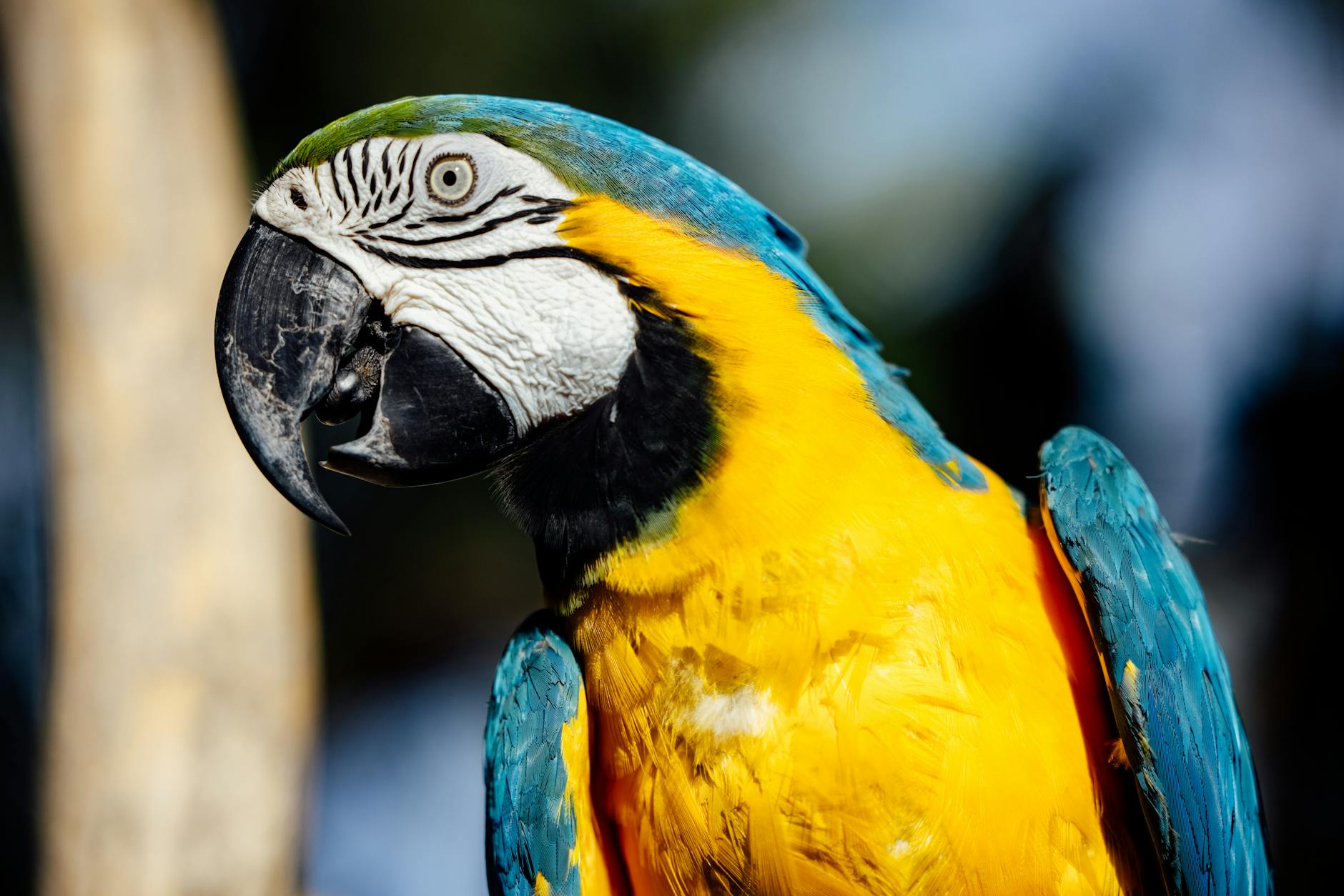
Lost birds present unique challenges due to their ability to fly and potentially cover considerable distances. Start by immediately searching the immediate vicinity, paying close attention to trees, rooftops, and areas where they might seek shelter or food. A bird’s call can be a powerful tool for locating them, so repeatedly play recordings of their familiar sounds or mimic their calls. Alert local birdwatching groups and wildlife rescue organizations, as they may have experience in spotting and safely retrieving birds. It is crucial to provide them with a clear description of the bird, including species, color markings, and any distinguishing features.
When creating flyers or online postings, emphasize the bird’s tameness and any specific phrases or behaviors it exhibits. Birds are attracted to shiny objects, so consider placing mirrors or reflective surfaces near where it was last seen. Be prepared to offer a reward, as this can incentivize people to actively search and report sightings. Remember that birds can be easily frightened, so advise anyone who spots the bird to approach slowly and calmly, offering food or a familiar perch.
If the bird is used to being handled, try to get it to come to you. Speak in a soft, reassuring voice, and offer its favorite treat. Be patient and persistent; it may take time for the bird to feel safe enough to approach.

Rabbits and Small Mammals: Grounded Search Strategies
Rabbits and small mammals, like guinea pigs, hamsters, and rats, require a more grounded approach to recovery. These animals are often prey animals, so they will likely seek shelter in dark, quiet places. Thoroughly search under bushes, decks, sheds, and any other potential hiding spots in your yard and surrounding areas. Use a flashlight to inspect hard-to-reach areas, and listen for any rustling or squeaking sounds.
Because these animals are prone to stress and fear, avoid using loud noises or aggressive search tactics. Instead, try setting humane traps baited with their favorite foods, such as carrots, lettuce, or sunflower seeds. Check the traps frequently, especially during warmer weather, to prevent dehydration or overheating. Create a scent trail leading back to your home by placing familiar bedding or toys outside. Rabbits and small mammals have a strong sense of smell, and this can help them find their way back.
Inform your neighbors and ask them to check their yards and sheds as well. Post flyers with a clear picture and description of your pet, and offer a reward for their safe return. Contact local animal shelters and rescue organizations, as they may have received reports of found rabbits or small mammals.
Reptiles: Temperature and Terrain Considerations
Reptiles present a unique set of challenges due to their cold-blooded nature and specific environmental needs. If a reptile escapes, its survival depends heavily on temperature and access to suitable habitat. Immediately search the area where it was last seen, paying close attention to warm spots like sunny rocks, compost heaps, or under decks. If the weather is cold, the reptile will likely seek shelter in a dark, enclosed space to conserve heat.
When creating flyers or online postings, emphasize the reptile’s specific needs, such as temperature requirements and dietary preferences. This information can help people provide appropriate care if they find the animal. Contact local reptile rescue organizations or herpetological societies, as they have experience in handling and identifying reptiles. Provide them with a detailed description of the reptile, including species, size, color, and any distinguishing features.
If you suspect the reptile is hiding nearby, try placing a heat source, such as a heating pad or heat lamp, in a safe and accessible location. Reptiles are attracted to warmth, and this may lure them out of hiding. Be patient and persistent, as it may take time for the reptile to feel comfortable enough to emerge. If you are unable to locate the reptile yourself, consider contacting a professional reptile handler or animal control officer for assistance.
Remember to handle with care. Some reptiles may bite if they feel threatened. It is important to wear gloves and avoid direct contact with the reptile’s mouth.
Leveraging Technology and Community for Exotic Pet Recovery
In today’s digital age, technology plays a crucial role in spreading the word about missing exotic pets. Utilize social media platforms like Facebook, Twitter, and Instagram to post pictures and descriptions of your lost animal. Join local community groups and online forums dedicated to pet recovery. These platforms can connect you with a network of people who are willing to help with the search.
Consider using specialized pet recovery websites and apps that allow you to create detailed lost pet profiles and send alerts to nearby users. These platforms often have built-in features for creating flyers and sharing information with local animal shelters and rescue organizations. Use online mapping tools to create a search grid and assign areas to volunteers. This can help ensure that the search is conducted systematically and thoroughly.
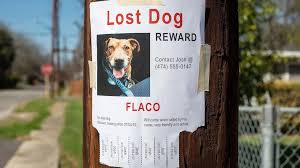
Don’t underestimate the power of traditional methods like flyers and posters. Place them in high-traffic areas such as veterinary clinics, pet supply stores, community centers, and local parks. Offer a reward for the safe return of your pet, as this can incentivize people to actively search and report sightings. Remember to include clear contact information and a recent photo of your pet on all flyers and online postings.
Prevention is Key: Protecting Your Exotic Pet
While recovery efforts are essential, prevention is always the best approach. Ensure your exotic pet has secure housing that prevents escapes. Double-check latches, lids, and enclosures regularly. For birds, consider wing clipping to limit flight distance if appropriate for the species and your ethical stance. For rabbits and small mammals, provide a safe and enclosed outdoor space for supervised playtime. Reptiles should have secure enclosures with appropriate temperature and humidity controls.
Microchipping, while not always possible for all exotic pets, is a valuable tool for identification. Consult with your veterinarian about available microchipping options for your specific animal. Keep detailed records of your pet’s species, breed, color markings, and any distinguishing features. Take clear photos from multiple angles to aid in identification if they ever go missing. Consider using GPS tracking devices for larger animals, such as rabbits or reptiles, to monitor their location.
Educate yourself about your pet’s specific needs and behaviors to better understand their potential escape routes and hiding places. By taking proactive steps to prevent escapes, you can significantly reduce the risk of losing your beloved exotic pet.
Key Takeaways
- Lost pet
- Exotic pets
- Missing bird
- Missing rabbit
- Lost reptile
- Pet recovery