Uniting Lost and Found: How Pet Platforms and Shelters Reconnect Families
Discover how collaborative technology is revolutionizing pet reunification efforts.
The Fragmented World of Lost and Found Pets
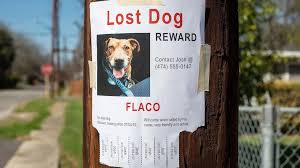
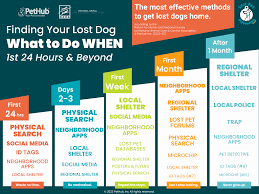
Losing a pet is a heart-wrenching experience. The initial panic is often followed by a frantic search, involving posting flyers, contacting local shelters, and scouring online lost and found pet pages. Historically, this process has been incredibly fragmented. Shelters operate independently, using their own databases and procedures. Online lost and found pages are scattered across various websites and social media groups. This lack of centralized information significantly hinders the chances of a successful reunion.
Imagine a scenario where a lost dog is picked up by a good Samaritan and taken to a shelter in a neighboring town. The owner, diligently searching online, may only be looking at local lost pet listings and might never see the dog’s picture on the shelter’s website. This disconnect highlights the critical need for a more unified and coordinated approach to lost and found pet recovery.
The traditional methods are time-consuming and inefficient. Shelters are often overwhelmed with the number of lost and found animals they handle, making it difficult to dedicate sufficient resources to actively searching for owners. This is where innovative pet platforms are stepping in to bridge the gap.
The Power of Integrated Databases: A Unified Approach
Lost pet platforms are revolutionizing the way lost and found pets are reunited with their families by creating integrated databases. These platforms partner with local animal shelters and rescue organizations to consolidate lost and found pet information into a single, searchable system. This means that when a pet is reported lost or found, the information is immediately available to a wide network of shelters, rescues, and pet owners.
The core of this integration lies in the sharing of data. Shelters upload information about found animals, including photos, descriptions, and microchip numbers, directly to the platform. Pet owners can then create detailed lost pet reports, including photos, descriptions, and the location where the pet was last seen. The platform’s sophisticated matching algorithms then compare these reports, identifying potential matches based on various criteria.
This unified database approach dramatically increases the visibility of lost and found pets. Instead of relying on fragmented local searches, pet owners can access a comprehensive database of animals in their region and beyond. Shelters, in turn, gain access to a wider pool of potential owners, making it easier to reunite lost pets quickly and efficiently.
How the Partnership Works: A Seamless Process
The partnership between lost pet platforms and animal shelters is designed to be seamless and mutually beneficial. Platforms provide shelters with free access to their technology and support in exchange for data sharing. This collaboration streamlines the shelter’s operations and enhances their ability to reunite lost pets with their owners.
When a found pet arrives at a participating shelter, the staff can quickly upload the animal’s information to the platform. The platform automatically generates a found pet listing that is visible to pet owners searching the database. The system also alerts registered users who have reported a lost pet matching the found animal’s description.
For pet owners, the process is equally straightforward. They can create a free account on the platform and submit a detailed lost pet report. The platform then uses advanced matching algorithms to compare the lost pet report with found pet listings from participating shelters and other users. If a potential match is found, the platform notifies both the pet owner and the shelter, facilitating direct communication and potential reunification.
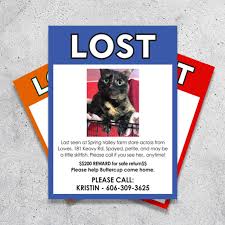
Furthermore, some platforms offer additional features, such as automated social media sharing and flyer generation, to help pet owners spread the word about their lost pet. These tools further amplify the reach of lost pet reports and increase the chances of a successful reunion.
The Benefits of Collaboration: Happy Endings and Reduced Strain
The collaboration between lost pet platforms and animal shelters offers numerous benefits for all parties involved. For pet owners, it provides a centralized and efficient way to search for their lost companions. The increased visibility and advanced matching algorithms significantly improve the chances of a happy reunion.
For animal shelters, the partnership reduces the strain on their resources. By automating the matching process and providing access to a wider network of potential owners, the platform helps shelters reunite lost pets more quickly and efficiently. This frees up staff time to focus on other critical tasks, such as caring for animals and finding them permanent homes.
Moreover, the collaboration helps reduce the number of unclaimed pets in shelters. When lost pets are quickly reunited with their owners, it prevents them from languishing in shelters for extended periods. This not only benefits the animals but also reduces the financial burden on the shelters and the community.
Ultimately, the partnership between lost pet platforms and animal shelters creates a win-win situation for everyone involved. It strengthens the bond between pets and their owners and promotes responsible pet ownership.
Microchipping: The Foundation of Pet Reunification
While lost pet platforms and shelter partnerships offer a powerful solution, the foundation of successful pet reunification remains microchipping. A microchip is a small, electronic chip implanted under the pet’s skin that contains a unique identification number. This number is registered in a database that links the pet to its owner’s contact information.
When a found pet is taken to a shelter or veterinary clinic, one of the first things they do is scan the animal for a microchip. If a microchip is detected, the shelter can contact the microchip registry and obtain the owner’s contact information. This allows them to quickly notify the owner and arrange for the pet’s return.
However, it’s crucial to keep your pet’s microchip information up to date. If you move, change your phone number, or rehome your pet, be sure to update your contact information in the microchip registry. Otherwise, the shelter may be unable to reach you, even if your pet has a microchip.
Microchipping, combined with the power of lost pet platforms and shelter partnerships, provides the best possible chance of reuniting lost pets with their loving families. It’s a simple and effective way to protect your furry friend and ensure their safe return if they ever get lost.
Key Takeaways
- Lost pets
- Found pets
- Animal shelters
- Pet rescue
- Pet reunification
- Lost pet platforms
- Pet recovery