Lost Pet Emergency: Your First 24 Hours of Action
Time is of the essence. Here's your step-by-step guide to the critical first 24 hours after your beloved pet disappears.
Immediate Action: The First Few Hours
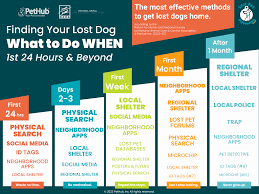
The moment you realize your pet is missing, panic can set in. However, staying calm and acting quickly is paramount. Begin with an immediate search of your home and yard. Check under beds, in closets, and any other places your pet might hide, especially if they are timid or easily frightened. Call your pet’s name in a calm, reassuring voice. If you have other family members at home, divide the search area to cover more ground efficiently. Don’t forget to check garages, sheds, and other outbuildings. If your pet has a favorite toy or treat, bring it along and use it to entice them out of hiding. Leave doors and gates open (if safe to do so) in case your pet returns on their own. The immediate vicinity is the most likely place your pet is, so a thorough search is crucial.
If you can’t find your pet inside or immediately around your property, expand your search to your immediate neighborhood. Enlist the help of neighbors, friends, and family to cover more ground. The sooner you start searching, the better the chances of a quick and happy reunion.
Expanding Your Search: Alerting the Neighborhood
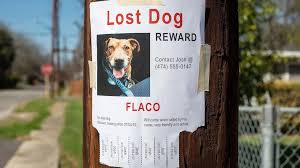
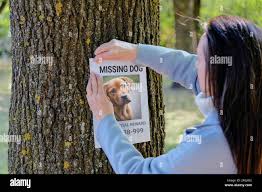
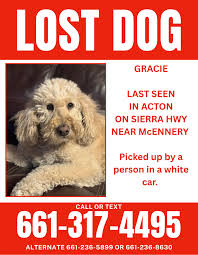
Once you’ve exhausted the immediate area, it’s time to broaden your search and alert your neighborhood. Create ‘Lost Pet’ flyers with a clear, recent photo of your pet, their name, breed, color, and any distinguishing features. Include your contact information and offer a reward if you can. Post these flyers prominently around your neighborhood, focusing on high-traffic areas like street corners, community bulletin boards, and local businesses. Knock on doors and speak to your neighbors directly, showing them the flyer and asking if they’ve seen your pet. Many lost pets are found within a few blocks of their home, so a focused neighborhood search can be incredibly effective.
Utilize social media to spread the word. Post on local community groups, neighborhood apps (like Nextdoor), and your own social media profiles. Ask your friends and family to share your posts to reach a wider audience. Include the same information as on your flyers: a photo, description, and your contact details. The power of social media can quickly amplify your search efforts and connect you with people who may have seen your pet.


Contacting Shelters and Veterinary Clinics
A critical step in the first 24 hours is to contact all local animal shelters and veterinary clinics. Call each shelter and provide them with a description of your pet, including their breed, color, size, and any identifying marks. Ask if anyone has brought in a pet matching your description. Visit the shelters in person if possible, as it can be easier to identify your pet among the many animals housed there. File a lost pet report with each shelter, providing them with your contact information and a photo of your pet. Regularly check in with the shelters, as new animals are brought in daily.
Similarly, contact local veterinary clinics. Sometimes, well-meaning individuals will bring injured or stray animals to a vet for treatment. Providing the clinics with your pet’s description and your contact information increases the chances of being reunited if someone finds your pet and seeks veterinary care for them. Don’t forget to contact emergency veterinary clinics, as they operate outside of regular business hours and may be the first point of contact for someone who finds your pet at night or on the weekend.
Leveraging Online Lost Pet Platforms: LostBoost and Others
In today’s digital age, online platforms dedicated to reuniting lost pets with their owners are invaluable resources. LostBoost is an excellent platform specifically designed to help pet owners in these situations. Create a detailed listing for your missing pet on LostBoost, including high-quality photos, a comprehensive description, and your contact information. LostBoost often has advanced search and matching capabilities that can connect you with potential sightings or matches based on your pet’s characteristics and location.
Explore other online lost pet resources as well, such as Pet FBI, Craigslist (lost and found section), and various social media groups dedicated to lost and found pets in your area. The more platforms you utilize, the wider your reach and the greater your chances of someone recognizing your pet. Be sure to check these platforms regularly for any new listings or sightings that might match your pet’s description. When posting online, be cautious about sharing too much personal information and always verify the identity of anyone who claims to have found your pet before meeting them in person.
Don't Give Up: Persistence is Key
Finding a lost pet can be an emotional and challenging experience, but it’s crucial to remain persistent and hopeful. Don’t give up after the first 24 hours. Continue to check shelters, monitor online platforms, and distribute flyers. Expand your search radius and consider using tools like pet-finding dogs or hiring a professional pet detective if your resources allow. Some pets travel surprisingly long distances, so broaden your search area over time.
Maintain a positive attitude and keep spreading the word. Talk to mail carriers, delivery drivers, and other people who are frequently in your neighborhood, as they may have spotted your pet during their routes. Consider placing a ‘Lost Pet’ ad in your local newspaper or online classifieds. The more people who are aware that your pet is missing, the higher the likelihood of someone recognizing them and contacting you. Remember, many pets are reunited with their owners weeks, months, or even years after going missing, so don’t lose hope.
Key Takeaways
- Lost pet
- Lost dog
- Lost cat
- Pet recovery
- Lost pet checklist
- Find lost pet