Moving with Your Furry Friend: Keeping Pet Lost & Found Info Current
Ensure a quick reunion with your beloved companion by keeping their information up-to-date during every move.
The Importance of Up-to-Date Pet Information
For renters and frequent movers, keeping pet information current is paramount. Imagine the heartbreak of a lost pet, compounded by the agonizing delay of outdated contact information. A microchip registered to a previous address, an old phone number on a tag – these seemingly small details can significantly hinder your chances of a swift reunion. When a lost pet is found, the first course of action is usually to check for identification. If the information leads to a dead end, the process of finding the owner becomes much more complicated and time-consuming. Shelters and veterinarians will attempt to locate you, but incorrect details can lead to unnecessary delays, increased stress for your pet, and even the possibility of your pet being rehomed if you can’t be reached.
Moving frequently shouldn’t mean your pet’s safety is compromised. By proactively managing their identification details, you ensure that if the unthinkable happens, your furry friend has the best possible chance of returning home quickly and safely. It’s a small effort that provides immense peace of mind.
Key Information to Update After a Move
Before, during, and immediately after a move, make a checklist of all the places your pet’s information is stored and needs updating. This includes:
- Microchip Registration: This is arguably the most important. Contact the microchip company (the one provided during registration) and update your address and phone number immediately.
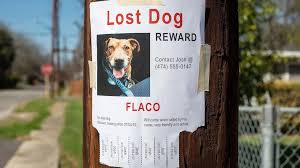
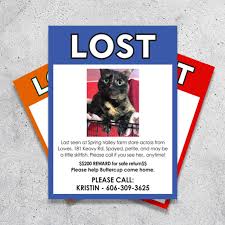
- Pet ID Tags: Engrave a new tag with your current phone number and city. Consider adding ‘REWARD’ to encourage finders to contact you.
- Veterinarian Records: Your vet needs your current address and contact details for routine care and emergencies. Update their records as soon as possible.
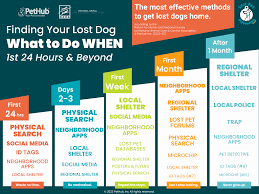
- Lost Pet Databases: Register your pet on free online databases like Pet FBI, Petco Love Lost (formerly Finding Rover), and others. Update your location details on these platforms.
- Local Shelters and Rescues: Familiarize yourself with local shelters and rescue organizations in your new area. In case your pet goes missing, you’ll know where to start your search and who to contact.
Don’t forget to update emergency contacts listed on your pet’s microchip or other registration profiles. These contacts can act as intermediaries if you are unreachable.
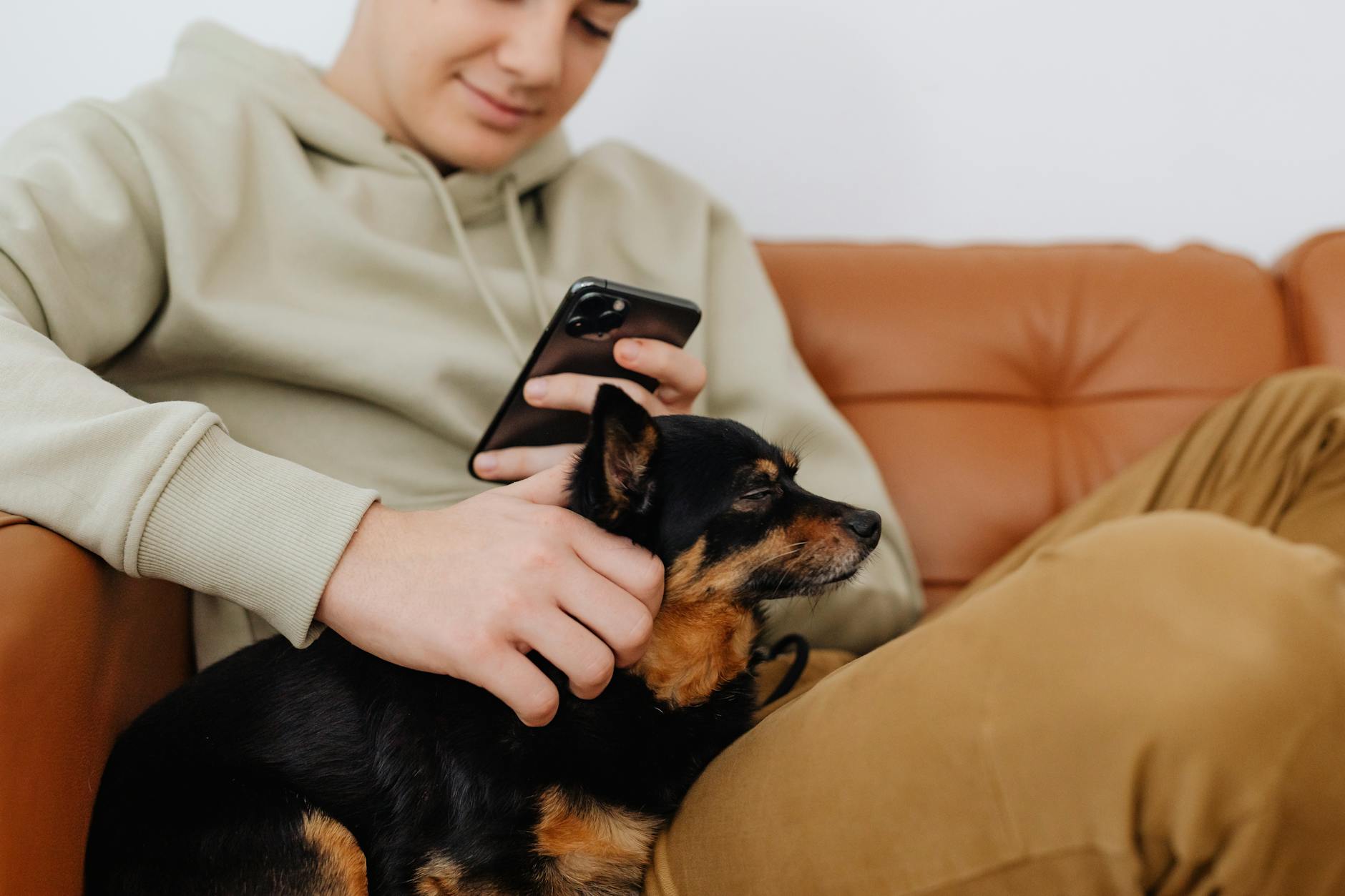

Updating Online Platform Profiles: A Step-by-Step Guide
Updating online platforms is crucial for ensuring your pet’s information is readily accessible. Here’s a general guide; specific steps may vary depending on the platform:
- Log in to your account: Access the website or app where your pet’s microchip or ID tag is registered.
- Navigate to your pet’s profile: Find the section where your pet’s information is stored. This may be labeled ‘My Pets,’ ‘Pet Profile,’ or something similar.
- Edit your contact information: Update your address, phone number, and email address.
- Verify the information: Double-check all the details to ensure accuracy.
- Save your changes: Click the ‘Save’ or ‘Update’ button to finalize the changes.
Set a reminder in your calendar to review and update your pet’s online profiles annually, even if you haven’t moved. This ensures the information remains accurate and relevant. Take screenshots of your updated profiles for your records.
Why Current Location Data is Critical
Imagine your cat slips out the door in a new neighborhood. If their microchip still lists your old address hundreds of miles away, the people who find your cat might assume they are lost far from home and less likely to belong to someone in the immediate area. Current location data drastically improves the chances of a quick reunion. When a pet is found, the finder will likely search online databases using the pet’s description and the location where they were found. If your pet’s profile reflects the correct location, it significantly increases the likelihood of your pet’s profile appearing in the search results.
Furthermore, many lost pet recovery services utilize location-based alerts. If your pet goes missing, you can activate these alerts to notify people in your immediate vicinity. These alerts are only effective if your pet’s registered location is accurate. Think of it as providing a digital breadcrumb trail that leads right back to you.
Preventative Measures: Beyond Contact Information
While keeping your pet’s information updated is crucial, proactive measures can further minimize the risk of them getting lost:
- Secure your home: Before and after a move, thoroughly inspect your property for potential escape routes, such as gaps in fences or loose screens.
- Keep pets leashed: Always keep your dog on a leash when outside, especially in unfamiliar areas.
- Acclimate your pet: Give your pet time to adjust to their new surroundings. Provide them with a safe and comfortable space where they can relax.
- Consider GPS tracking: Invest in a GPS tracking collar for your pet. This allows you to monitor their location in real-time.
- Training: Train your dog with commands such as stay and come. This could be life saving if they get loose.
By combining updated information with these preventative measures, you can significantly reduce the risk of your pet becoming lost and ensure their safe return if the unexpected happens.
The Emotional Toll and the Peace of Mind
Losing a pet is an incredibly stressful and emotional experience. The uncertainty, the frantic searching, and the worry take a heavy toll. Knowing that you’ve taken every possible step to ensure their safe return can offer a small measure of comfort during a difficult time. Keeping your pet’s information updated is a tangible way to show your love and commitment to their well-being. It’s an investment in their safety and your peace of mind.
Regularly reviewing and updating your pet’s information is a small task with a potentially huge impact. It demonstrates responsible pet ownership and drastically increases the chances of a happy reunion should they ever wander off. Don’t wait until it’s too late – make it a priority today.
Key Takeaways
- Pet safety
- Lost pet
- Moving with pets
- Pet microchip
- Pet ID tag