Talking to Kids About a Lost Pet: Finding Hope and Healing Together
Navigating the emotional landscape of a missing pet with your children, offering support and fostering resilience.
The Initial Conversation: Age-Appropriate Honesty
When a family pet goes missing, one of the toughest challenges is talking to your children about it. It’s crucial to be honest, but the language you use should be tailored to their age and understanding. For younger children (ages 3-6), avoid euphemisms like “gone away” or “sleeping.” This can be confusing and even create fear around sleep. Instead, use simple, direct language: “Buddy is lost, and we don’t know where he is.” Reassure them that you are doing everything you can to find him.
For older children (ages 7-12), you can be more detailed. Explain the circumstances of how the pet went missing, but avoid blaming anyone. Acknowledge their feelings of sadness, fear, or anger. Let them know that it’s okay to feel these emotions. You might say, “We’re not sure how Whiskers got out, but we’re doing everything we can to find her. It’s okay to be sad that she’s missing, and we’re sad too.” With teenagers, be open and honest, allowing them to express their emotions freely. They may understand the situation more fully and might even want to take a more active role in the search.
Regardless of age, emphasize that the pet is loved and missed, and that you are actively searching for them.
Involving Children in the Search: A Sense of Agency
Involving children in the search for a lost pet can provide them with a sense of agency and purpose during a difficult time. It allows them to feel like they are actively contributing to the effort, which can be empowering and help them cope with feelings of helplessness. Start by age-appropriately delegating tasks. Even young children can help create “Lost Pet” posters with a picture of the pet and your contact information. They can also help you distribute these posters in your neighborhood.
Older children can assist with online searches and social media campaigns. Teach them how to use lost pet platforms to post listings and search for similar animals. They can also help monitor these platforms for any leads or sightings. Make sure you supervise their online activity and emphasize the importance of online safety. Consider having them write a heartfelt description of their pet for the online listing, focusing on unique characteristics and personality traits. This can be a therapeutic exercise and help them feel connected to their missing companion.
Walking around the neighborhood and calling the pet’s name can also be a meaningful activity. Remind them to stay positive and hopeful, even if they don’t find the pet immediately.
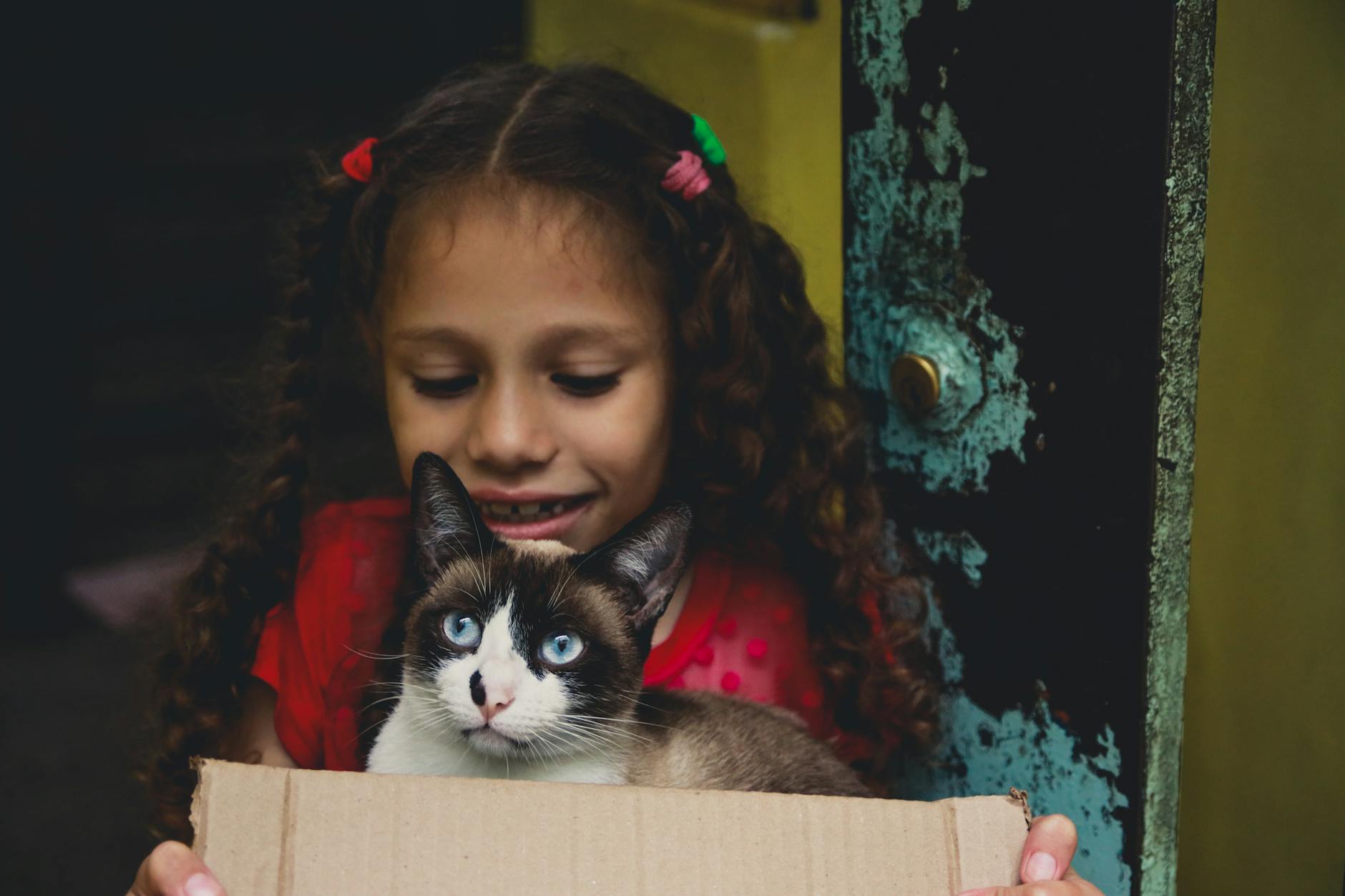

Using Lost Pet Platforms: Fostering Hope
Lost pet platforms can be invaluable resources during a pet search, and using them together as a family can be particularly beneficial for children. These platforms provide a centralized location to post information about your missing pet, view listings of found pets, and connect with other pet owners and animal shelters in your area. Explain to your children how these platforms work and how they can help reunite you with your lost pet. Show them examples of successful reunions facilitated by the platform.
The process of creating a detailed listing, including photos, descriptions, and contact information, can be a positive and proactive step. Regularly checking the platform for new listings and potential matches can also provide a sense of hope and anticipation. Even if you don’t find your pet immediately, the act of actively searching and connecting with others can be comforting. Discuss any leads or potential sightings with your children, and involve them in the decision-making process regarding how to follow up. Remember to manage expectations and emphasize that finding a lost pet can take time.
Celebrate small victories, such as receiving helpful tips or connecting with a local animal shelter. These positive interactions can help maintain morale and reinforce the idea that you are not alone in your search.
Managing Expectations and Dealing with Disappointment
It’s essential to manage expectations and prepare children for the possibility that the pet may not be found. Be honest about the uncertainties involved in a pet search, but also emphasize that you are doing everything you can. Acknowledge that it’s okay to feel sad, angry, or frustrated if the search is not immediately successful. Encourage them to express their feelings and provide a safe space for them to grieve. If negative feelings arise, allow them to express them without judgement. For example, if they say, “I’m angry that Fluffy ran away!” you might respond with “It’s okay to feel angry. It’s frustrating when things don’t go the way we want.”
If the pet is not found after a reasonable amount of time, it may be necessary to have a more formal conversation about the possibility of loss. Again, use age-appropriate language and be sensitive to their emotional needs. You might say, “We’ve looked everywhere for Max, and we haven’t been able to find him. It’s possible that he’s not coming home. It’s okay to be sad, and we’ll always remember him.”
Be sure to emphasize that you will always cherish the memories you have of your pet and that it is okay to feel sad, even for a long time. Consider creating a memorial or scrapbook to honor the pet’s life. This can be a therapeutic way to process grief and celebrate the pet’s place in your family.
Supporting Emotional Wellbeing: Coping Strategies
The loss of a pet can be a significant emotional event for children, and it’s important to provide them with the support and resources they need to cope. Encourage them to talk about their feelings with you, other family members, or a trusted friend. Validate their emotions and let them know that it’s okay to feel sad, angry, or confused. Be patient and understanding, and avoid dismissing their feelings or telling them to “get over it.”
Engage in activities that can help them process their grief, such as drawing, writing, or playing. Reading books about pet loss can also be helpful. Create opportunities for them to remember and celebrate the pet’s life, such as sharing stories, looking at photos, or visiting a special place that reminds them of the pet. Consider creating a memory box filled with photos, toys, and other mementos. If the child is struggling to cope, consider seeking professional help from a therapist or counselor who specializes in grief and loss. There are many resources available to support children through the grieving process.
Remember to take care of your own emotional wellbeing as well. Dealing with the loss of a pet is difficult for everyone in the family, and it’s important to model healthy coping strategies for your children. Seek support from friends, family, or a therapist if needed.
Moving Forward: Remembering and Honoring Your Pet
Even after the search ends, whether successfully or not, it’s important to find ways to remember and honor your pet. This can help children process their grief and keep the pet’s memory alive. Create a memorial in your home, such as a framed photo or a special shelf dedicated to the pet. Plant a tree or flower in the pet’s memory. Write a story or poem about the pet. Create a scrapbook or photo album filled with memories of your pet. Share stories and photos with friends and family. Consider volunteering at a local animal shelter or rescue organization in honor of your pet’s memory.
If you decide to get another pet in the future, be sure to discuss it with your children and involve them in the decision-making process. Explain that getting a new pet does not mean replacing the lost pet, but rather adding a new member to the family. Allow them time to adjust to the new pet and build a bond. Remember that every pet is unique and special in its own way.
The loss of a pet is a difficult experience, but it can also be an opportunity to teach children about love, loss, and resilience. By providing them with support, involving them in the search, and finding ways to remember and honor the pet, you can help them navigate this challenging time and emerge stronger and more compassionate.
Key Takeaways
- Lost pet
- Children
- Grief
- Pet loss
- Coping
- Family
- Pet search
- Emotional support