Community Power: How Neighbors Help Recover Lost Pets
Harnessing the collective strength of your community is crucial for a swift and successful pet recovery.
The Power of Many Eyes: Why Community Matters in Pet Recovery
When a beloved pet goes missing, panic sets in. While traditional methods like posting flyers and contacting local shelters are essential, leveraging the power of your community can dramatically increase the chances of a swift and happy reunion. Think of it this way: one person searching is limited by time and geographical reach, but a community working together creates a vast network of eyes and ears actively looking for your furry friend.
The beauty of community-powered pet recovery lies in its immediacy and local knowledge. Neighbors know the familiar hiding spots, the quiet streets, and the usual routes pets take. They’re also more likely to recognize a lost pet wandering around their neighborhood. This localized awareness is something that no national database or organization can replicate. By tapping into this resource, you’re essentially amplifying your search efforts exponentially.
Moreover, involving the community fosters a sense of shared responsibility and empathy. People genuinely want to help reunite pets with their families, and by providing them with information and a clear call to action, you empower them to become active participants in the search.
Leveraging Local Facebook Groups and Online Networks
In today’s digital age, local Facebook groups and online networks are invaluable tools for community-powered pet recovery. These groups serve as virtual town squares where neighbors connect, share information, and offer support. Posting about your lost pet in these groups can reach a wide audience within your immediate vicinity, often yielding quick leads and sightings.
When posting, be sure to include a clear photo of your pet, their name, breed, any distinguishing features, the date and location they were last seen, and your contact information. Also, specify what kind of assistance you need – whether it’s simply keeping an eye out, checking sheds and garages, or reporting any sightings. Regularly monitor the group for any updates or leads and respond promptly to any messages or comments.
Beyond Facebook, explore other online platforms specific to pet recovery, such as Nextdoor, Craigslist (pet section), and dedicated lost pet websites. These platforms often have features that allow you to target your search to specific geographical areas, maximizing the reach of your message.
Remember to stay active and engaged in these online communities. Respond to comments, share updates, and express your gratitude to those who are helping. A little appreciation goes a long way in motivating others to continue their search efforts.


LostBoost: A Central Hub for Community-Driven Pet Recovery
Platforms like LostBoost take community-powered pet recovery to the next level by providing a centralized hub for posting lost and found pet information. LostBoost allows you to create a detailed profile for your lost pet, including photos, descriptions, and contact information. This profile is then shared with a network of local volunteers, shelters, and veterinary clinics, increasing the visibility of your search.
One of the key advantages of LostBoost is its ability to connect you with people who are actively looking for lost pets in your area. The platform uses geolocation technology to match lost pet reports with potential sightings, making it easier to identify and track down your furry friend. Furthermore, LostBoost often integrates with social media, allowing you to easily share your lost pet’s profile on Facebook, Twitter, and other platforms.
LostBoost also offers valuable resources and tips on how to effectively search for a lost pet, including advice on creating flyers, contacting local shelters, and dealing with common pet recovery challenges. By providing a comprehensive suite of tools and resources, LostBoost empowers pet owners to take a proactive and strategic approach to their search efforts.
Practical Tips for Engaging Your Community in the Search
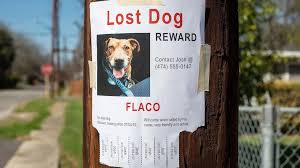
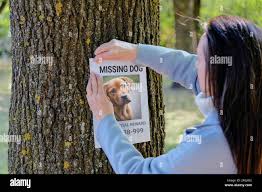
Successfully engaging your community requires a strategic approach. Start by creating eye-catching flyers with a clear photo of your pet, their name, and your contact information. Post these flyers in high-traffic areas such as community centers, grocery stores, veterinary clinics, and pet supply stores. Distribute flyers to your neighbors and ask them to keep an eye out.
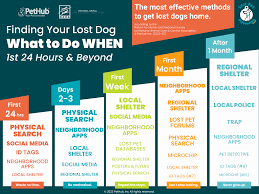
Consider organizing a neighborhood search party. Gather a group of volunteers and systematically search the area where your pet was last seen, paying close attention to potential hiding spots such as sheds, garages, and wooded areas. Provide volunteers with clear instructions and assign them specific areas to cover.
Communicate regularly with your community, providing updates on your search efforts and expressing your gratitude for their help. Keep them informed of any sightings or leads, and let them know if there are any specific areas they should focus on. The more informed and engaged your community is, the more likely they are to assist in your search.
Don’t underestimate the power of word-of-mouth. Talk to your neighbors, friends, and family members, and ask them to spread the word about your lost pet. The more people who are aware of your situation, the greater the chances of someone spotting your furry friend.
The Importance of Prevention: Keeping Your Pet Safe
While community-powered pet recovery is a valuable tool, the best approach is always prevention. Ensure your pet is microchipped and that the information associated with the microchip is up-to-date. A microchip provides a permanent form of identification that can help reunite you with your pet even if they lose their collar.
Make sure your pet wears a collar with identification tags that include your name, phone number, and address. Consider adding a second tag with the words “I’m Microchipped” to encourage anyone who finds your pet to take them to a vet or shelter to be scanned.
Keep your pet safely confined to your yard or on a leash when you’re out for walks. Train your pet to come when called and practice recall in a safe, enclosed area. Be aware of potential hazards in your neighborhood, such as busy streets, construction sites, and wildlife.
By taking proactive steps to protect your pet, you can significantly reduce the risk of them becoming lost and avoid the stress and heartache of a pet recovery search. Prevention is always better than cure, and a little extra effort can go a long way in ensuring your pet’s safety and well-being.
Key Takeaways
- Lost pets
- Pet recovery
- Community support
- Lost dog
- Lost cat
- LostBoost
- Neighborhood watch
- Pet safety