Seasonal Pet Safety: Year-Round Guide to Protecting Your Furry Friends
Ensure your pet's well-being with our comprehensive seasonal safety guide.
Summer Pet Safety: Beating the Heat
Summer brings sunshine and outdoor adventures, but also significant risks for pets. Heatstroke is a major concern, as pets can overheat quickly, especially breeds with thick fur or short noses. Never leave your pet in a parked car, even for a few minutes, as temperatures inside can rise rapidly to dangerous levels. Provide plenty of fresh, cool water and shade when outdoors. Limit exercise during the hottest part of the day, opting for early morning or late evening walks.
Hot pavement can burn your pet’s paws. Test the surface with your hand; if it’s too hot for you, it’s too hot for them. Consider using booties to protect their paws. Watch out for signs of heatstroke, such as excessive panting, drooling, weakness, and vomiting. If you suspect your pet is suffering from heatstroke, move them to a cool place, offer water, and seek immediate veterinary care. Be mindful of water activities. Not all dogs are strong swimmers, and even those that are can tire easily. Use a pet-specific life vest when boating or near deep water. Avoid allowing your pet to drink from stagnant water sources, as they may contain harmful bacteria or parasites.
Summer Lost Pet Preparedness Checklist:
- Ensure your pet’s microchip information is up-to-date.
- Check that your pet’s collar fits properly and the ID tag is legible.
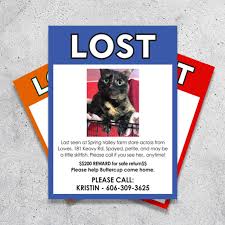
- Take a current photo of your pet in case you need to make a ‘lost pet’ poster.
- Familiarize yourself with local animal shelters and lost pet resources.
Winter Pet Safety: Cold Weather Concerns
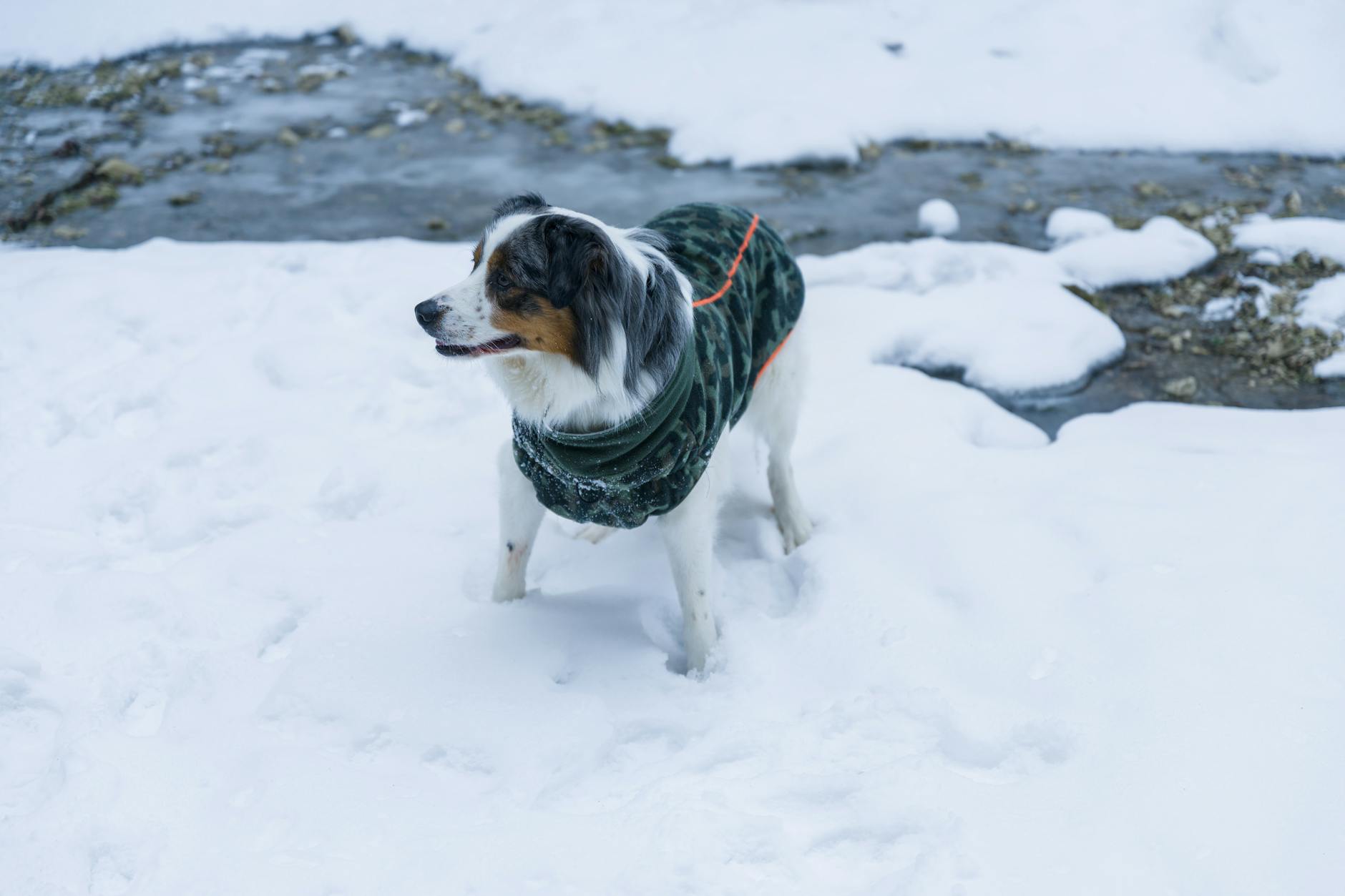
Winter presents its own unique set of challenges for pet owners. Just like humans, pets are susceptible to hypothermia and frostbite in cold weather. Short-haired breeds and smaller pets are particularly vulnerable. Limit their time outdoors during freezing temperatures and consider using a coat or sweater to provide extra warmth. Be aware of the dangers of antifreeze, which is highly toxic to pets and can be fatal if ingested. Clean up any spills immediately and store antifreeze in a secure location out of reach of pets.
Salt and de-icing chemicals used on sidewalks and roads can irritate your pet’s paws. Rinse their paws with warm water after walks to remove any residue. Keep them away from frozen bodies of water, as ice can be unstable and pets can fall through. Provide a warm and comfortable indoor environment for your pet. Make sure their bed is away from drafts and consider using a heated pet bed or blanket for extra warmth. During the holidays, be mindful of potential hazards such as poisonous plants (like poinsettias), toxic foods (like chocolate), and decorations that can be ingested.
Winter Lost Pet Preparedness Checklist:
- Ensure your pet has visible identification, even under a coat or sweater.
- Consider a reflective collar or leash for increased visibility in low light conditions.
- Be extra cautious when opening doors to prevent escapes into the cold.
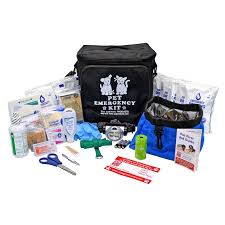
- Know the location of emergency veterinary clinics in case of cold-related emergencies.

Spring Pet Safety: Blooming Dangers
Spring brings new life and growth, but also potential hazards for pets. Many spring plants, such as lilies, tulips, and daffodils, are toxic to pets if ingested. Keep these plants out of reach or choose pet-safe alternatives. Spring is also a time when many people use fertilizers and pesticides in their gardens. These products can be harmful to pets if ingested or if they come into contact with their skin. Follow label instructions carefully and keep pets away from treated areas until they are dry.
After winter, fences may have sustained damage from snow and ice. Inspect your fence thoroughly for any holes or weak spots that your pet could escape through. Repair any damage promptly to prevent accidental escapes. Spring also marks the beginning of flea and tick season. Talk to your veterinarian about preventative medications to protect your pet from these parasites, which can transmit diseases. With warmer weather, outdoor activities increase, and with it the risk of encounters with wildlife. Keep your pet on a leash when hiking or walking in wooded areas to prevent them from chasing or being injured by wild animals. Be aware of areas where snakes may be active and take precautions to avoid encounters.
Spring Lost Pet Preparedness Checklist:
- Double-check your fence and yard for potential escape routes.
- Update your pet’s microchip and ID tag with current contact information.
- Be aware of potential hazards in your yard and neighborhood.
- Teach your pet a reliable recall command.
Fall Pet Safety: Navigating Hunting Season and Holiday Hazards
Fall brings cooler temperatures and beautiful foliage, but also unique safety concerns for pets. In many areas, fall is hunting season, which means increased risks for pets who enjoy outdoor adventures. If you live in or near hunting areas, keep your pet on a leash and consider using a brightly colored vest or bandana to make them more visible to hunters. Be aware of the signs of hunting activity, such as gunshots or hunting dogs, and avoid those areas with your pet.
As the holidays approach, be mindful of potential hazards such as holiday decorations, toxic foods, and increased stress levels. Keep decorations out of reach of pets to prevent them from being ingested or causing injury. Avoid feeding your pet holiday foods, as many are toxic or can cause digestive upset. Maintain your pet’s regular routine as much as possible to minimize stress during the busy holiday season. Be cautious when walking your dog during dusk and dawn, as visibility decreases. Use a reflective leash and collar to ensure your pet is visible to drivers. Falling leaves can also hide hazards, such as broken glass or sharp objects, so be mindful of where you are walking.
Fall Lost Pet Preparedness Checklist:
- Ensure your pet has proper identification, including a microchip and ID tag.
- Consider a GPS tracking device for pets who roam frequently.
- Be extra vigilant during hunting season and holidays.
- Keep your pet on a leash in unfamiliar or potentially dangerous areas.
General Lost Pet Prevention Tips
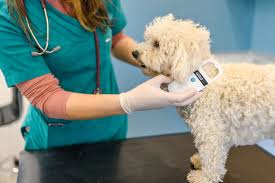
Beyond seasonal considerations, there are several steps you can take year-round to prevent your pet from getting lost. Microchipping is one of the most effective ways to ensure your pet’s safe return if they become lost. Make sure your pet’s microchip is registered and that your contact information is up-to-date. A visible ID tag with your phone number and address is also essential. Ensure that your pet’s collar fits properly and that the ID tag is securely attached.
Train your pet to come when called. A reliable recall command can be invaluable in preventing your pet from running off or getting into dangerous situations. Regularly inspect your fences and gates for any damage or weak spots. Repair any issues promptly to prevent accidental escapes. Be cautious when opening doors and windows, especially if your pet is prone to escaping. Consider using pet gates or screens to prevent them from darting out. When traveling with your pet, always keep them on a leash or in a carrier. Never let them roam freely in unfamiliar areas.
Socialization and training can help your pet become more confident and less likely to bolt in new or stressful situations. Enroll your pet in obedience classes or work with a professional trainer to address any behavioral issues that may increase their risk of getting lost. By taking these precautions, you can significantly reduce the chances of your pet becoming lost and ensure their safety and well-being.
Key Takeaways
- Pet safety
- Seasonal pet care
- Summer pet safety
- Winter pet safety
- Spring pet safety
- Fall pet safety
- Dog safety
- Cat safety
- Lost pet prevention