Beyond Cats and Dogs: Finding Your Exotic Pet After They Go Missing
Strategies for finding your bird, rabbit, reptile, or small mammal when they go missing.
The Unique Challenges of Exotic Pet Recovery
When a beloved dog or cat goes missing, there’s a well-trodden path of action: checking local shelters, posting on neighborhood social media groups, and distributing flyers featuring their familiar faces. But what happens when the missing member of your family is a parrot, a rabbit, a snake, or a hamster? The recovery process for exotic pets presents a unique set of challenges that require a different approach.
Unlike dogs and cats, exotic pets often lack the same homing instincts or survival skills in unfamiliar environments. A bird accustomed to a cage may struggle to find food and shelter outdoors. A rabbit used to a controlled environment is vulnerable to predators and temperature extremes. Reptiles, being cold-blooded, are highly susceptible to temperature changes and may seek out dangerous hiding places. Small mammals like hamsters or guinea pigs, with their tiny size, can easily disappear into the landscape.
Furthermore, the general public is often less familiar with exotic pets, making identification and reporting more difficult. While most people recognize a lost Labrador, they may not know what a sugar glider looks like or realize that a particular type of snake isn’t native to the area. This lack of awareness can significantly hinder the chances of a successful reunion.
Immediate Actions: The First 24 Hours are Crucial
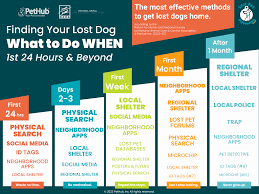
The first 24 hours after an exotic pet goes missing are critical. Time is of the essence, and prompt action can significantly increase the likelihood of a positive outcome. Begin by thoroughly searching your home and yard. Exotic pets, especially smaller ones, can squeeze into surprisingly tight spaces. Check under furniture, inside cabinets, and in any potential hiding spots.
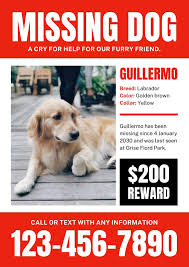
Expand your search to the immediate surrounding area. Ask neighbors if they’ve seen anything unusual. Post flyers with a clear photograph of your pet and your contact information. Consider offering a reward, as this can incentivize people to be more vigilant. Contact local animal shelters, veterinary clinics, and animal control agencies to report your missing pet. Provide them with a detailed description, including species, size, color, markings, and any unique identifying features.
For birds, listen for their calls. They may be disoriented but instinctively try to locate familiar sounds. For reptiles, check warm areas like under rocks or near heat sources. For small mammals, look for signs of digging or burrowing. Remember to be persistent and don’t give up hope. Many exotic pets have been successfully reunited with their owners after extended periods of time.


Leveraging Technology and Social Media
In today’s digital age, technology and social media can be powerful tools in the search for a missing exotic pet. Post a detailed description and photo of your pet on local social media groups, neighborhood apps like Nextdoor, and online lost pet registries. Use relevant hashtags like #LostBird, #MissingRabbit, or #LostReptile to reach a wider audience.
Consider creating a dedicated social media page for your missing pet. This allows you to share updates, post photos, and engage with the community. Encourage your friends and followers to share the page and spread the word. Use online mapping tools to create a search grid of your neighborhood and systematically check each area. Online pet recovery services can also provide valuable resources and support, including personalized search plans and alert systems.
Don’t underestimate the power of targeted online advertising. Platforms like Facebook and Instagram allow you to create ads that specifically target users in your local area who are interested in animals or pets. This can be an effective way to reach people who may not be actively searching for a lost pet but may recognize yours if they see it.
Tailoring Your Search to the Species
The search strategy should be tailored to the specific species of your missing pet. For example, finding a lost parrot requires a different approach than finding a lost iguana. Birds can often fly long distances, so expand your search area accordingly. Post flyers in parks, birdwatching areas, and pet stores. Contact local bird clubs and avian veterinarians.
Rabbits are prone to hiding in bushes or under decks. Focus your search on areas with dense vegetation. Reptiles require warmth, so check sunny spots, under rocks, and near heat sources. Small mammals are vulnerable to predators, so search carefully and avoid disturbing potential hiding places. For aquatic pets like turtles or fish that have escaped from outdoor ponds, check nearby bodies of water and drainage systems.
Consider the pet’s natural behaviors and instincts when planning your search. What are their favorite foods? What kind of habitat do they prefer? Use this knowledge to your advantage. For example, if your rabbit loves carrots, leave a trail of carrots leading back to your yard. If your snake prefers warm, dark places, check under rocks and logs in sunny areas.
Engaging the Community and Local Resources
Enlist the help of your community in the search for your missing exotic pet. Talk to your neighbors, mail carriers, and local businesses. The more people who are aware of your missing pet, the higher the chances of someone spotting it. Contact local animal shelters, veterinary clinics, and animal control agencies regularly to check if your pet has been found.
Reach out to local exotic pet rescue organizations or reptile and amphibian societies. These groups often have experienced volunteers who can provide valuable advice and assistance. They may also have contacts within the community who can help with the search. Consider offering a reward for the safe return of your pet. This can incentivize people to be more proactive in their search efforts.
Don’t be afraid to ask for help. Losing a pet is a stressful and emotional experience, and it’s important to have a support system. Lean on your friends, family, and community for assistance. The more people who are involved in the search, the better the chances of a successful reunion.
Prevention is Key: Reducing the Risk of Escape
While it’s essential to know what to do when an exotic pet goes missing, prevention is always the best approach. Take steps to secure your pet’s enclosure and prevent escapes. Regularly inspect cages, tanks, and terrariums for any signs of damage or wear. Ensure that doors and lids are securely fastened and that there are no gaps or openings that your pet could squeeze through.
When handling your pet outside of its enclosure, be extra cautious. Use a secure harness or carrier when transporting your pet to the veterinarian or other locations. Supervise your pet closely and never leave it unattended in an unfamiliar environment. Be aware of potential hazards, such as open windows, doors, or gaps in fences.
Consider microchipping your exotic pet. While not as common as with dogs and cats, microchipping can be an effective way to identify your pet if it is found. Register your pet’s microchip with a reputable registry and keep your contact information up-to-date. By taking these preventative measures, you can significantly reduce the risk of your exotic pet going missing and avoid the heartbreak of a lost pet.
Key Takeaways
- Missing pets
- Exotic pets
- Lost pets
- Pet recovery
- Pet search
- Lost birds
- Lost rabbits
- Lost reptiles