Hyperlocal Heroes: How Geolocation Powers Lost Pet Alerts
Unleashing the power of location to bring lost pets home.
The Challenge of Finding a Lost Pet
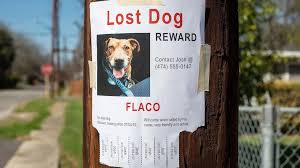
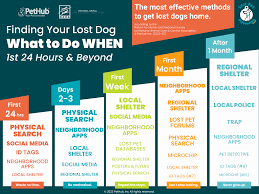
Losing a pet is a heart-wrenching experience. The initial panic is quickly followed by the daunting task of searching for your beloved companion. Traditional methods, like posting flyers and contacting local shelters, can be time-consuming and often ineffective in reaching the right people quickly. Pets, especially cats, can hide nearby when scared. The key is to alert the immediate neighbors as quickly as possible. This is where the power of geolocation comes into play, revolutionizing how we approach lost pet recovery.
Before geolocation technology, finding a lost pet felt like searching for a needle in a haystack. Owners were left relying on broad, untargeted methods. Social media posts might reach friends and family, but not necessarily the people in the immediate vicinity where the pet went missing. Flyers could be missed, and shelters, while helpful, require the pet to be found and brought in. The delay in reaching the right people significantly reduced the chances of a swift and happy reunion. The old methods simply weren’t fast or targeted enough.
Geolocation: Pinpointing the Search Area
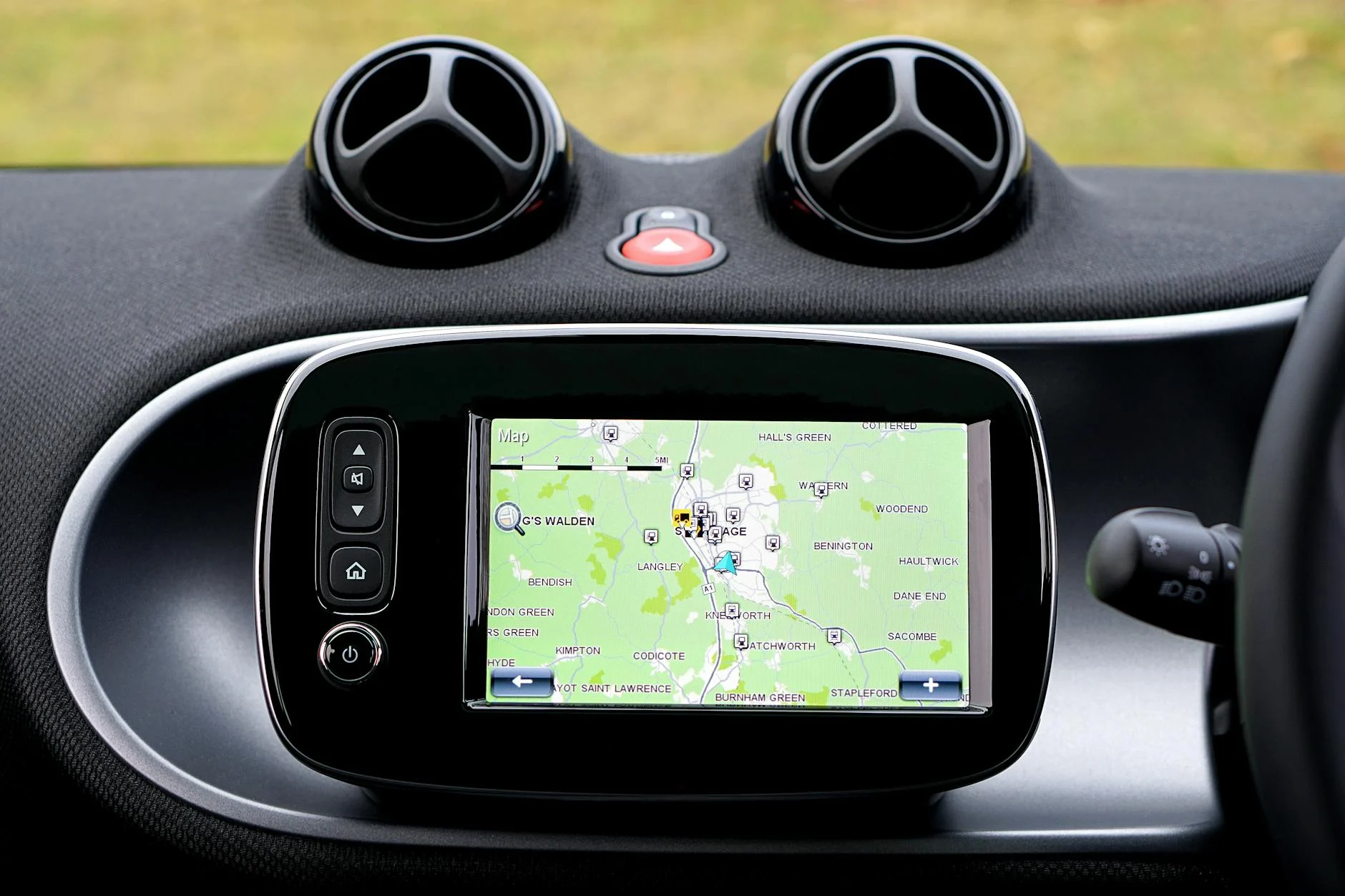
Geolocation technology uses various methods, including GPS, Wi-Fi, and cellular data, to pinpoint a device’s location with remarkable accuracy. This technology is the backbone of modern lost pet alert networks like LostBoost. When a pet owner reports a lost animal, they can specify the location where the pet was last seen. The platform then uses this information to create a virtual search radius, targeting individuals within that specific area. This precision targeting is a game-changer in lost pet recovery.
Instead of broadcasting a general alert to a wide, irrelevant audience, geolocation ensures that notifications are sent only to people who are most likely to encounter the missing pet. This focused approach increases the chances of someone recognizing the animal and reporting a sighting. Think of it as a digital, hyper-local search party, mobilized instantly and effectively. The ability to define the search area based on the pet’s last known location drastically improves the efficiency of the search process.

How LostBoost Uses Hyperlocal Alerts
LostBoost leverages the power of geolocation to send hyperlocal alerts to users within a defined radius of where a pet was last seen. Here’s how it works: when a pet owner reports a missing animal, they input the pet’s information and the location where it was last spotted. LostBoost then uses this data to create a targeted alert that is sent to registered users within a customizable radius – often as small as a few blocks. This ensures that the people who receive the alert are those most likely to have seen the pet or be in a position to help.
The alerts include a photo of the pet, a description, and contact information for the owner. Recipients can then quickly report any sightings or information directly to the owner, facilitating a rapid response. The platform also allows for easy sharing of the alert on social media, further amplifying the reach within the targeted area. By focusing on hyperlocal alerts, LostBoost maximizes the chances of a quick and successful reunion between pets and their owners. The speed and precision of this system are invaluable in the critical early hours of a lost pet search.
The Benefits of Geolocation in Pet Recovery
The benefits of using geolocation in lost pet recovery are numerous and significant. Firstly, it dramatically increases the speed of the search process. Instead of waiting for flyers to be seen or social media posts to be shared, alerts are sent instantly to the people who matter most. This rapid response is crucial, as the longer a pet is missing, the lower the chances of a safe return.
Secondly, geolocation improves the efficiency of the search. By targeting a specific area, it reduces the amount of time and effort wasted on reaching irrelevant individuals. This allows pet owners to focus their resources on the most promising leads. Thirdly, it enhances community involvement. By connecting pet owners with their neighbors, geolocation fosters a sense of shared responsibility and encourages people to actively participate in the search. This collaborative approach can make a significant difference in the outcome. Ultimately, geolocation empowers pet owners with the tools they need to bring their furry friends home safely and quickly.
Beyond the Alert: Additional Features
While the core function of geolocation-based lost pet alerts is sending targeted notifications, many platforms like LostBoost offer additional features to further enhance the recovery process. These features can include the ability to create and distribute digital flyers, manage reported sightings on a map, and communicate directly with potential witnesses through the platform. Some platforms also integrate with local shelters and veterinary clinics, ensuring that these key resources are immediately aware of the missing pet.
Another valuable feature is the ability to track the alert’s reach and engagement. This allows pet owners to see how many people have viewed the alert and where sightings have been reported. This information can help them refine their search strategy and focus their efforts on the most promising areas. By combining geolocation with these additional features, lost pet alert networks provide a comprehensive and powerful solution for reuniting families with their beloved companions.
The Future of Lost Pet Recovery
Geolocation technology is constantly evolving, and the future of lost pet recovery is likely to be even more innovative and effective. We can expect to see further improvements in location accuracy, allowing for even more precise targeting of alerts. Integration with other technologies, such as AI-powered facial recognition for pets, could also play a role in identifying and locating lost animals. Imagine a system that automatically scans security camera footage and alerts owners when their pet is spotted.
Furthermore, the increasing adoption of smart pet collars with GPS tracking capabilities will provide real-time location data, making it easier than ever to find a lost pet. As these technologies continue to advance, the dream of a world where every lost pet is quickly and safely reunited with its owner becomes increasingly attainable. LostBoost is committed to staying at the forefront of these advancements, constantly seeking new ways to leverage technology to improve the lives of pets and their owners.
Key Takeaways
- Lost pet
- Pet recovery
- Geolocation
- Lost pet alert
- Pet finder
- LostBoost
- Hyperlocal