Lost in the City: A Guide for Apartment & Urban Pet Owners
Navigating the unique challenges of urban environments to keep your furry friend safe and sound.
Understanding the Urban Pet Landscape
City living presents unique challenges for pet owners, especially when it comes to the possibility of a lost pet. High-traffic areas, dense populations, and the labyrinthine nature of apartment complexes all contribute to the increased risk and complexity of finding a lost animal. Unlike suburban or rural settings where pets might have more open space but also fewer immediate dangers, urban pets face constant exposure to cars, public transportation, construction sites, and other potential hazards. Apartments, with their many doors and windows, can also be escape routes if not properly secured. Understanding these factors is the first step in preventing and preparing for a lost pet situation.
Furthermore, the social dynamics of urban communities can be both a blessing and a curse. While the density of people means more potential eyes on the lookout for your pet, it also means a higher chance of your pet being taken in by someone who doesn’t know who to contact. This is why proactive identification and community engagement are so crucial.
Preventative Measures: Securing Your Home and Pet
Prevention is always better than cure, and this is especially true when it comes to lost pets. Start by thoroughly inspecting your apartment for potential escape routes. Check window screens for tears or loose fittings, and ensure that doors close securely and latches are functioning correctly. Balconies should have secure railings or netting to prevent pets from jumping or falling.
For your pet, ensure they always wear a collar with up-to-date identification tags. The tag should include your phone number and address. Microchipping is another essential preventative measure. Make sure the microchip information is registered and kept current with your contact details. A microchip provides a permanent form of identification that can be scanned at animal shelters and veterinary clinics. Beyond physical identification, consider using GPS trackers designed for pets, especially if your pet is prone to escaping. These devices can provide real-time location data, allowing you to quickly locate your pet if they wander off.
Training also plays a crucial role. Teach your pet basic commands like ‘stay’ and ‘come,’ which can be invaluable in preventing them from running into dangerous situations. Practice recall in a safe, enclosed area regularly.

Leveraging Hyperlocal Community Networks
In the digital age, hyperlocal community networks are powerful tools for finding lost pets. Neighborhood social media groups (Facebook groups, Nextdoor, etc.) are excellent platforms for posting information about your lost pet, including photos, descriptions, and contact details. Engage with these groups proactively, participating in discussions and building relationships with other residents. This can increase the likelihood that people will be more receptive to helping you if your pet goes missing.
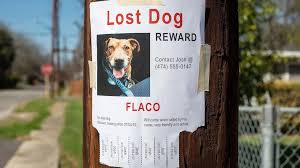
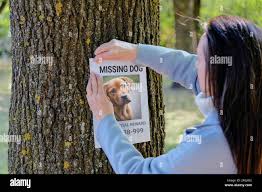
Don’t underestimate the power of traditional methods as well. Posting flyers with clear photos of your pet in high-traffic areas, such as near parks, grocery stores, and apartment building lobbies, can be highly effective. Talk to local businesses, building managers, and mail carriers, as they often have a good understanding of the neighborhood and can keep an eye out for your pet. When posting online, be sure to include specific details about where and when your pet was last seen. The more information you provide, the better equipped your community will be to assist in your search.
Consider offering a reward. While not everyone is motivated by money, a reward can incentivize people to go the extra mile in helping you find your pet.
Immediate Actions When Your Pet Goes Missing
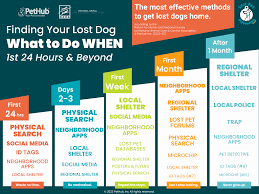
Time is of the essence when your pet goes missing. The first 24-48 hours are crucial for a successful recovery. Immediately begin searching the area where your pet was last seen. Call your pet’s name loudly and listen for any response. Enlist the help of friends, family, and neighbors to expand your search area. Check with local animal shelters and veterinary clinics to see if anyone has brought in a pet matching your pet’s description. File a lost pet report with these organizations, providing detailed information and photos.
Use social media to spread the word quickly. Post on neighborhood groups, lost pet websites, and your personal profiles. Include a clear photo of your pet, the date and location they were last seen, and your contact information. Consider running a social media ad targeting your local area to reach a wider audience. Be prepared to respond promptly to any leads or sightings reported by the community. Always verify any information before rushing to a location, as false leads can be common.
Don’t give up hope. Many lost pets are eventually reunited with their owners, even after weeks or months of being missing. Persistence and a proactive approach are key to a successful recovery.
Dealing with the Emotional Toll
Losing a pet is an incredibly stressful and emotional experience. It’s important to acknowledge and address the emotional toll it takes on you and your family. Don’t hesitate to seek support from friends, family, or a therapist. Talking about your feelings can help you cope with the anxiety and uncertainty of the situation. Remember to take care of yourself during this difficult time. Get enough sleep, eat healthy meals, and engage in activities that help you relax and de-stress. The search process can be exhausting, both physically and emotionally, so it’s important to prioritize your well-being.
Connect with online communities of pet owners who have experienced similar situations. Sharing your story and hearing from others who have successfully recovered their pets can provide comfort and hope. Avoid blaming yourself or dwelling on what you could have done differently. Focus on taking positive actions to find your pet and remain optimistic about the outcome. Remember that your pet is loved and missed, and that you are doing everything you can to bring them home.
Long-Term Strategies for Urban Pet Safety
Once your pet is safely back home, it’s essential to implement long-term strategies to prevent future incidents. Re-evaluate your apartment’s security measures and address any potential escape routes. Reinforce window screens, secure doors, and consider installing pet-proof latches or barriers. Continue to reinforce training commands, especially recall, and practice regularly in various environments. Consider investing in a pet-proof fence or enclosure for your balcony or patio.
Stay actively involved in your local pet community. Attend neighborhood events, participate in online discussions, and share your experiences with other pet owners. By working together, you can create a safer environment for all pets in your urban community. Advocate for pet-friendly policies in your apartment building and neighborhood, such as designated dog walking areas or stricter leash laws. Remember, a proactive and engaged approach to pet safety is the best way to protect your furry friend in the unique challenges of city living.
Key Takeaways
- Lost pets
- Urban pets
- Apartment pets
- Pet safety
- Lost dog
- Lost cat
- Microchip
- Pet recovery
- Community networks