Microchipping Your Pet: Why It's Not a Standalone Solution
Microchips are a great start, but complete protection requires more than just the implant.
How Microchipping Works: A Basic Overview
Microchipping is a simple and effective way to provide your pet with permanent identification. A microchip, about the size of a grain of rice, is implanted under your pet’s skin, usually between the shoulder blades. This chip contains a unique identification number that can be read by a microchip scanner. Veterinary clinics and animal shelters routinely scan found animals for microchips, and if one is detected, they can use the number to trace back to the pet’s owner through a microchip registry.
The procedure itself is quick and relatively painless, similar to getting a routine injection. No surgery is required, and most pets don’t even react. The microchip is designed to last for the pet’s entire lifetime, providing a permanent form of identification that cannot be easily lost or removed, unlike collars and tags.
It’s important to understand that the microchip itself doesn’t contain your pet’s personal information. It only contains the unique identification number. This number serves as a key to unlock your contact details in the microchip registry database, which is why proper registration is so critical.
The Crucial Step: Registering Your Pet's Microchip
Having a microchip implanted is only half the battle. The microchip is useless if it’s not properly registered with your current contact information. When you get your pet microchipped, you’ll receive paperwork with the microchip number and instructions on how to register it. You’ll typically need to create an account with the microchip registry and enter your pet’s information, including their name, breed, and your contact details (phone number, address, and email address). Some vets will register the microchip for you, but it’s always best to double-check to ensure it’s been done correctly.
Many pet owners mistakenly believe that once the microchip is implanted, their pet is automatically protected. However, if the microchip isn’t registered or the contact information is outdated, it’s like having a phone with no service – it’s there, but it can’t connect you to anyone. Always ensure your contact information is current. If you move, change your phone number, or get a new email address, update your pet’s microchip registration immediately.
Furthermore, be aware of the different microchip registries. While most scanners can read any microchip frequency, some registries are more comprehensive and widely used than others. You might even consider registering your pet with multiple registries for added security. Check with your veterinarian for recommendations on reputable registries.

What Happens When a Microchipped Pet is Found?
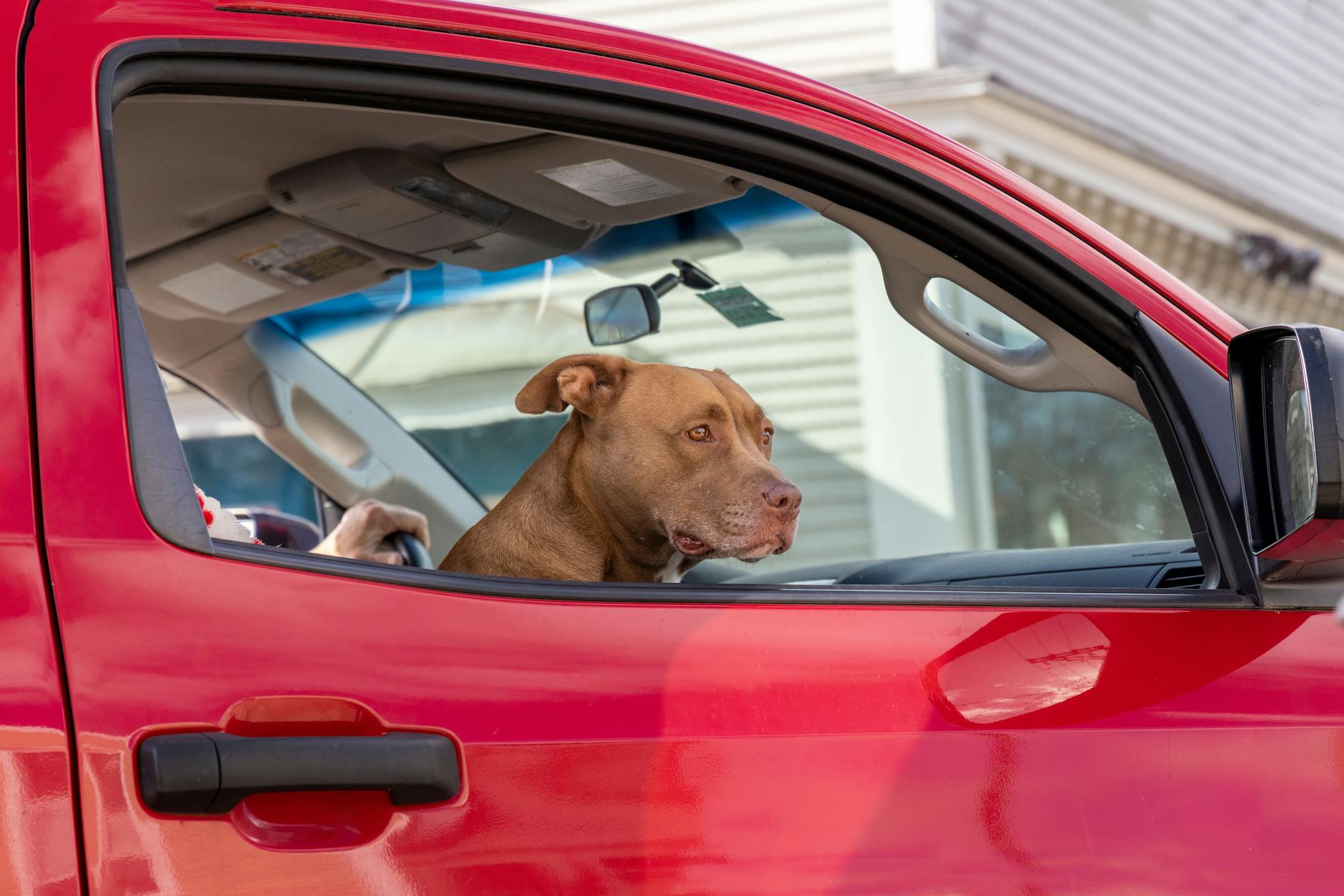
When a lost pet is found and taken to a veterinary clinic or animal shelter, one of the first things they do is scan for a microchip. If a microchip is detected, the facility will contact the microchip registry associated with that number. The registry will then attempt to contact the pet owner using the information on file. This is why it’s absolutely critical to keep your contact information up-to-date. If the registry can’t reach you because your phone number is disconnected or your address is outdated, the process can stall, significantly delaying your pet’s return.
Even if your information is current, there can still be delays. The registry might only be open during certain hours, or they might have a backlog of cases to process. It’s also possible that the person who found your pet isn’t able to immediately take them to a clinic or shelter. They might be holding onto the pet, hoping to find the owner themselves. This is where lost pet alert platforms can be incredibly helpful.
The efficiency of this process relies heavily on the accuracy and accessibility of the information linked to the microchip. A proactive approach, including regular checks of your registration details, significantly increases the chances of a swift reunion.
The Limitations of Microchipping Alone
While microchipping is an essential tool for pet recovery, it’s not a foolproof solution. It’s a passive system, meaning it relies on someone finding your pet and taking them to a place where they can be scanned. If your pet is lost in a remote area or picked up by someone who doesn’t know to check for a microchip, the microchip won’t be of much help. Also, microchips can occasionally migrate or fail, although this is rare. Regular veterinary checkups can help ensure the microchip is still in place and functioning correctly.
Furthermore, relying solely on a microchip can create a false sense of security. Some pet owners become less vigilant about keeping their pets safe, assuming that the microchip will automatically bring them home if they get lost. This can lead to preventable escapes and potentially dangerous situations for your pet. Microchipping should be seen as one layer of protection, not the only one.
Think of it this way: a microchip is like having a spare key hidden under your doormat. It’s helpful if you lose your primary key, but it doesn’t prevent you from locking your door in the first place. Similarly, microchipping helps reunite you with your pet if they get lost, but it doesn’t replace the need for responsible pet ownership practices like leashing your dog, keeping your cat indoors, and ensuring your yard is securely fenced.
Enhancing Recovery with Lost Pet Alert Platforms
Lost pet alert platforms, like LostBoost, offer a proactive approach to pet recovery that complements microchipping perfectly. These platforms allow you to create a detailed lost pet profile with photos, descriptions, and information about your pet’s personality and habits. You can then use the platform to send out alerts to local shelters, veterinary clinics, and other pet owners in your area. This significantly expands the search radius and increases the chances of someone recognizing your pet.
Lost pet alert platforms also leverage the power of social media, allowing you to share your pet’s profile on various social networks. This can be particularly effective, as social media reaches a vast audience and can quickly spread the word about your missing pet. Many platforms also offer features like creating printable flyers and posting to online lost and found pet groups.
By combining microchipping with a lost pet alert platform, you’re creating a multi-faceted approach to pet recovery. The microchip provides a permanent form of identification, while the alert platform actively engages the community in the search. This combination dramatically increases the likelihood of a successful reunion, providing you with peace of mind and ensuring your beloved pet’s safe return.
Best Practices for Maximizing Your Pet's Safety
To truly maximize your pet’s safety and ensure a swift reunion if they ever get lost, follow these best practices: First, always keep your pet’s microchip registration up-to-date with your current contact information. Set a reminder in your calendar to check and update it at least once a year. Second, use a lost pet alert platform in conjunction with microchipping. Create a detailed profile for your pet and familiarize yourself with the platform’s features so you’re ready to act quickly if your pet goes missing.
Third, ensure your pet wears a collar with identification tags. Include your phone number and address on the tag. While collars can be lost or removed, they provide an immediate way for someone to contact you if they find your pet. Fourth, consider using a GPS tracking device for your pet, especially if they have a tendency to wander. These devices attach to your pet’s collar and allow you to track their location in real-time using your smartphone.
Finally, practice responsible pet ownership. Keep your dog leashed when walking in public areas, ensure your yard is securely fenced, and consider keeping your cat indoors to minimize the risk of them getting lost. By taking these proactive steps, you can significantly reduce the chances of your pet going missing in the first place, and you’ll be well-prepared to bring them home safely if they ever do.
Key Takeaways
- Microchipping
- Pet safety
- Lost pets
- Pet recovery
- Pet registration
- Lost pet alert
- Animal welfare