Crafting the Perfect Missing Pet Poster: A Comprehensive Guide
Maximize your chances of a happy reunion with a well-designed and strategically placed missing pet poster.
The Power of a Well-Designed Poster
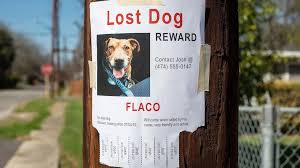
When a beloved pet goes missing, panic sets in. One of the first and most crucial steps is creating a missing pet poster. A well-designed poster acts as a beacon, catching the eye of potential rescuers and providing them with the information they need to help. A hastily made, unclear poster can easily be overlooked, diminishing your chances of a swift reunion. The key is to create a poster that is both visually appealing and informative, clearly communicating the urgency of the situation and providing all the necessary contact details.
This guide will walk you through every aspect of creating an effective missing pet poster, from selecting the perfect photo to strategically placing it for maximum visibility. We’ll also explore how digital platforms like LostBoost can significantly amplify your search efforts, extending your reach far beyond the limitations of traditional paper posters. By combining a well-crafted physical poster with a robust online strategy, you’ll significantly increase the odds of bringing your furry friend home safe and sound.
Choosing the Right Photo: A Picture is Worth a Thousand Words
The photo is arguably the most important element of your missing pet poster. It’s the first thing people will notice, and it needs to be clear, recent, and representative of your pet. Avoid blurry or distant shots. Choose a photo where your pet is looking directly at the camera, if possible, and their unique markings are clearly visible. A close-up shot that highlights their face and any distinguishing features is ideal. If your pet has a collar or tags, make sure they are visible in the photo.
Consider the lighting and background of the photo. A well-lit photo with a neutral background will make your pet stand out more. Avoid photos with busy backgrounds that could distract from the subject. If you have multiple photos to choose from, ask a friend or family member for their opinion on which one is the most eye-catching and accurately represents your pet. Remember, the goal is to make it easy for people to recognize your pet at a glance.
Ideally, use a color photo. While black and white copies might be cheaper, color images are more attention-grabbing and help people more accurately identify your pet’s coloring and markings.


Essential Information: What to Include on Your Poster
While the photo grabs attention, the text on your poster provides crucial information. Keep it concise, easy to read, and prominently displayed. The most important details to include are:
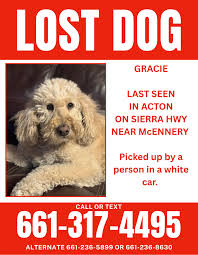
- “LOST PET”: Use large, bold lettering to immediately convey the purpose of the poster.
- Pet’s Name: Knowing your pet’s name can help people connect with them and call them if they spot them.
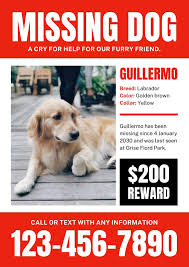
- Brief Description: Include your pet’s breed (or mix), size, color, and any distinctive markings (e.g., a white patch on the chest, a crooked tail).
- Date and Location Lost: This helps narrow down the search area. Be specific (e.g., “Lost near Elm Street and Main Street on October 26th”).
- Contact Information: Provide a phone number and, optionally, an email address. Make sure the phone number is one you can answer promptly.
- Reward (Optional): Offering a reward can incentivize people to actively search for your pet. Be careful about specifying the amount of the reward on the poster itself. You can simply state “Reward Offered.”
Use a clear, readable font in a large size. Avoid using overly decorative fonts that can be difficult to decipher. Proofread your poster carefully for any typos or errors before printing.
Strategic Placement: Where to Post Your Poster
The effectiveness of your poster depends heavily on its placement. Think strategically about where your pet might have gone and where people are likely to see your poster. Consider these locations:
- Around the Area Where Your Pet Was Lost: Focus on high-traffic areas like intersections, parks, and bus stops.
- Veterinary Clinics and Animal Shelters: These are places where people who find lost pets are likely to take them.
- Pet Supply Stores and Groomers: Target pet owners who are likely to be sympathetic and keep an eye out.
- Community Centers and Libraries: These are central locations that attract a diverse range of people.
- Local Businesses: Ask local businesses if you can post your poster in their windows or on their bulletin boards.
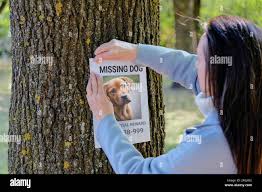
When posting your poster, use clear tape or tacks to secure it. Make sure it’s at eye level and won’t be easily torn down. Check your posters regularly to ensure they are still in place and in good condition. Consider laminating your posters to protect them from the weather.
Digital Amplification: Leveraging Online Platforms
While physical posters are essential, they have limitations in terms of reach. Digital platforms can significantly amplify your search efforts, connecting you with a wider audience and increasing the chances of someone recognizing your pet. Share your missing pet poster on social media platforms like Facebook, Twitter, and Instagram. Join local community groups and lost pet groups on Facebook and post your poster there. Use relevant hashtags like #lostpet, #missingdog, #missingcat, and your city or town name.
Consider using dedicated lost pet websites and apps. These platforms often have features that allow you to create a detailed profile of your pet, upload photos, and map the area where they were lost. LostBoost is a great resource. It provides the tools to create digital flyers that reach a targeted audience within your community. Through advanced algorithms and geo-targeting, LostBoost ensures that your missing pet poster reaches the people who are most likely to have seen your pet, significantly increasing the chances of a successful reunion. LostBoost offers targeted ads and community alerts that a paper flyer simply can’t match.
Don’t underestimate the power of online communities and social media. Share your poster widely and ask your friends and family to do the same. The more people who see your poster, the better the chances of someone recognizing your pet and helping you bring them home.
Staying Vigilant and Following Up
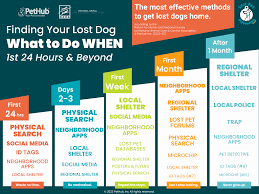
Creating and distributing your missing pet poster is just the beginning. It’s important to stay vigilant and actively follow up on any leads you receive. Answer your phone promptly and be prepared to provide more information about your pet. Check local animal shelters and veterinary clinics regularly, even if you’ve already filed a report. Drive or walk around the area where your pet was lost, calling their name and showing their photo to people you encounter.
Don’t give up hope. Many lost pets are eventually reunited with their owners, even after weeks or months of being missing. Persistence and a proactive approach are key to a successful outcome. Keep your posters up, continue sharing your story online, and never lose faith that your furry friend will come home.
Consider offering a reward, even if you didn’t initially include one on your poster. A reward can incentivize people to continue searching and to be more proactive in their efforts. Be sure to take precautions when meeting with strangers in response to a sighting. Meet in a public place and bring a friend or family member with you.
Key Takeaways
- Missing pet
- Lost pet
- Pet poster
- Lost dog
- Lost cat