Peace of Mind: Preparing a Lost Pet Kit Before Disaster Strikes
Proactive steps to ensure a swift reunion with your beloved companion in case of the unthinkable.
Why a Lost Pet Kit is Essential
The thought of losing a pet is terrifying. While we all hope it never happens, being prepared can dramatically increase the chances of a quick and happy reunion. A lost pet kit isn’t just a collection of items; it’s a proactive strategy to minimize panic and maximize your ability to act swiftly and effectively in a stressful situation. Without preparation, precious time is wasted scrambling for information and resources when every minute counts. With a kit in place, you can immediately launch a targeted search and leverage the tools available to bring your furry friend home.
Consider the emotional toll of a lost pet. Anxiety, fear, and uncertainty can cloud judgment and hinder effective action. A pre-assembled kit eliminates the need to make critical decisions under duress, allowing you to focus on the search itself. It’s an investment in peace of mind, knowing you’ve done everything possible to protect your beloved companion. Furthermore, having readily available information streamlines communication with shelters, veterinary clinics, and online lost pet communities, improving the odds of a positive outcome.
The Power of Up-to-Date Photos
In the digital age, a picture is worth a thousand words – and potentially, a reunion with your lost pet. High-quality, recent photos are the cornerstone of any effective lost pet strategy. Don’t rely on that adorable puppy picture from years ago. Capture clear, well-lit images of your pet from multiple angles, showcasing any unique markings or features. These photos should be easily accessible, both digitally (on your phone and computer) and in printed form within your lost pet kit.
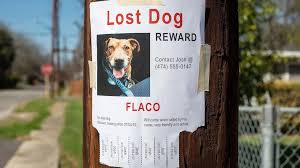
Update these photos regularly, at least every six months, or more frequently if your pet’s appearance changes significantly. Consider taking photos in various settings to illustrate their size and coloring accurately under different lighting conditions. Close-up shots of identifying marks, like scars or distinctive patterns, are invaluable. When creating your ‘lost pet’ poster (digital or physical), these clear, recent photos will be essential for attracting attention and ensuring accurate identification. Remember, a blurry or outdated photo can hinder recognition and delay the search process.


Pre-Registration on Lost Pet Platforms
Numerous online platforms are dedicated to reuniting lost pets with their owners. Websites like Pet FBI, Lost Dogs of America, and various local community pages serve as virtual bulletin boards for lost and found animals. Before your pet goes missing, take the time to pre-register their information on these platforms. This proactive step can save valuable time and effort during a frantic search.
Pre-registration typically involves creating a profile for your pet, including their name, breed, age, sex, color, distinguishing features, and any microchip or tag information. You can also upload your recent photos to these profiles. By having this information readily available, you can quickly activate the listing if your pet goes missing, instantly notifying a vast network of potential finders. Furthermore, many platforms offer email alerts when a pet matching your description is found in your area. This early notification system can significantly increase the chances of a swift reunion. Don’t wait until disaster strikes – register your pet today!
Annual Collar Information Check-Up
Your pet’s collar is their primary form of identification when they’re out and about. Regularly inspect and update the information on their collar tags to ensure it’s accurate and legible. At a minimum, the tag should include your pet’s name, your phone number, and a clear indication that they are microchipped. Consider adding a brief medical note if your pet has any specific needs or conditions.
Annually, or more frequently if necessary, verify that the phone number on the tag is still active and that the tag itself is securely attached to the collar. Replace worn or damaged tags promptly. If your pet’s microchip information isn’t linked to the phone number on the tag, be sure to include both. Microchips are only useful if the contact information registered to them is up-to-date. This annual ‘collar check-up’ is a simple yet crucial step in ensuring your pet can be easily identified and returned to you if they ever become lost.
Beyond the basics, consider adding a QR code tag that links to an online profile with more extensive information, including emergency contacts, veterinary details, and any relevant medical history. These modern tags offer a comprehensive and easily accessible way for finders to learn about your pet and contact you quickly.
Microchip Verification: Your Pet's Permanent ID
A microchip is a tiny, permanent form of identification implanted beneath your pet’s skin. It contains a unique identification number that can be read by a scanner at veterinary clinics and animal shelters. However, a microchip is only effective if the registration information associated with it is accurate and up-to-date. Many pet owners mistakenly believe that simply having their pet microchipped is enough, but neglecting to register the chip or update the contact information renders it virtually useless.
Annually, verify your pet’s microchip registration information with the microchip company. Ensure that your current phone number, address, and email address are accurately recorded. If you’ve moved or changed your contact information, update it immediately. Many microchip companies offer online portals where you can easily manage your account and update your details. Some even offer additional services, such as lost pet alerts and searchable databases. Don’t let a simple oversight prevent your pet from being reunited with you. Make microchip verification a routine part of your pet care checklist.
Practice Makes Perfect: Run a Drill
While preparing a lost pet kit is a great first step, it’s equally important to practice using it. Familiarize yourself with the contents of the kit and simulate a lost pet scenario. This ‘drill’ will help you identify any gaps in your preparation and build confidence in your ability to act quickly and effectively in a real emergency. For example, practice accessing your pet’s photos on your phone, logging into the pre-registered lost pet platforms, and contacting your local animal shelters.
During the drill, involve other members of your household to ensure everyone knows where the kit is located and how to use it. This collaborative approach can streamline the search process and prevent confusion during a stressful situation. Furthermore, consider sharing your lost pet plan with trusted friends, neighbors, or family members who can assist you in the event of an emergency. By practicing your plan and enlisting the help of others, you can significantly increase your chances of a successful reunion with your lost pet.
Key Takeaways
- Lost pet
- Pet safety
- Disaster preparedness
- Pet recovery
- Lost pet kit