Lost Dog Recovery: Proven Strategies to Find Your Missing Pup
Maximize your chances of a happy reunion with proven search techniques.
Immediate Actions: The First Few Hours Are Critical
The first few hours after your dog goes missing are the most crucial for a successful recovery. Panic is understandable, but taking swift and organized action is key. Begin by thoroughly searching your home and yard. Dogs, especially if frightened, may hide in unusual places. Check under decks, inside sheds, and in any enclosed spaces. Call your dog’s name in a calm, reassuring voice. If the immediate area yields no results, expand your search to the immediate neighborhood.
Alert family members, roommates, or anyone else who frequents your home. Ask them to join the initial search and to spread the word. Post immediately on social media, including local community groups and lost pet pages. Include a recent photo of your dog, details about when and where they were last seen, and your contact information. Time is of the essence, so act quickly and decisively.
Strategic Search Times: When to Look and Where
Optimal search times often coincide with periods of lower activity and increased sensory perception for dogs. Early morning (dawn) and late evening (dusk) are prime times to search because the environment is quieter, and your dog’s sense of smell will be more effective. Dogs are more likely to be out and about during these cooler hours. Focus your search on areas where your dog enjoys walking or playing. Parks, trails, and familiar routes are good starting points. Consider the dog’s personality. A shy dog may hide in quiet, secluded areas, while a more social dog may gravitate towards populated areas.
During daylight hours, concentrate on areas with potential shelter from the sun, such as wooded areas or under parked cars. Always carry high-value treats and a leash. Approach cautiously and speak in a gentle, encouraging tone. Avoid sudden movements or loud noises that might scare your dog further. Remember to prioritize safety during your search, especially in areas with traffic or other hazards.
The Power of Scent: Creating a Trail Back Home
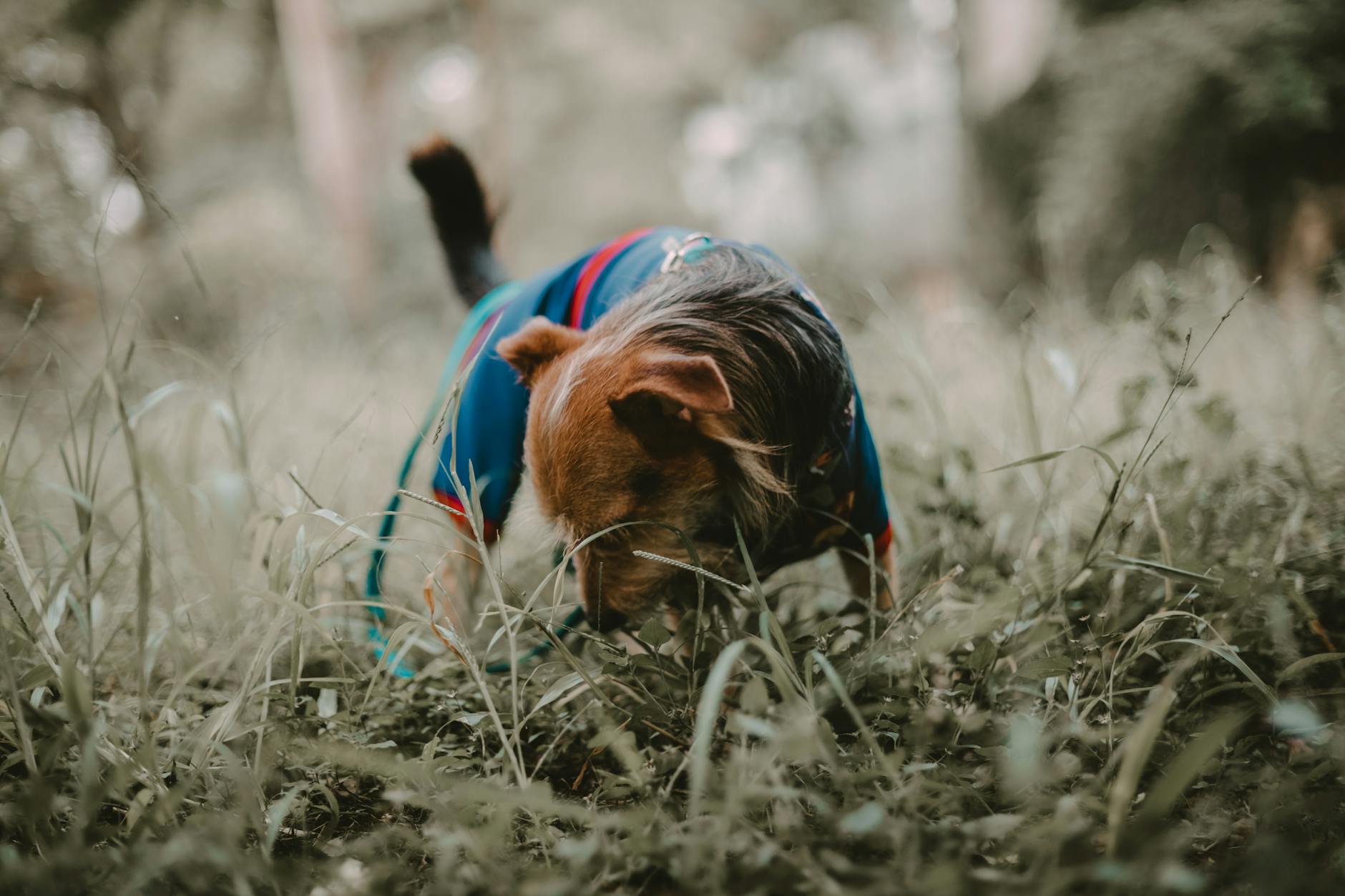
A dog’s sense of smell is incredibly powerful, and you can use this to your advantage by creating a scent trail leading back to your home. Gather items that carry your dog’s scent, such as their bedding, toys, or unwashed clothing that you’ve worn. Place these items outside your home, creating a starting point. Then, walk a route that you think your dog might have taken, dragging one of the scent items behind you. Refresh the scent trail periodically, especially in areas where the scent might dissipate quickly, such as busy streets.
Another effective technique is to place unwashed clothing that you’ve worn in a ventilated container (like a laundry basket) outside your home. The scent will travel on the wind, potentially attracting your dog from a greater distance. You can also use your dog’s urine to mark territory and create a familiar scent for them to follow. If possible, bring another dog along on the search. The other dog’s presence and scent can help attract your lost dog and provide reassurance.
Door-to-Door Outreach: Engaging Your Community
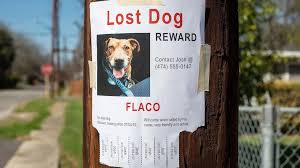
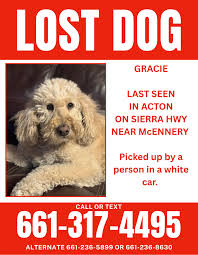
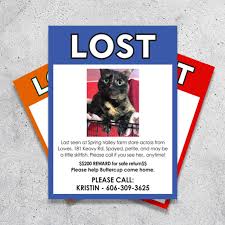
Engaging your community is a vital part of the search effort. Systematically go door-to-door in your neighborhood, speaking with residents and showing them a picture of your dog. Ask if they have seen your dog or if they have any security cameras that might have captured footage. Be polite and respectful, and offer a reward for information leading to your dog’s safe return. Leave flyers with your contact information at each house, even if the residents are not home. The more people who are aware that your dog is missing, the higher the chances of someone spotting them.
When speaking with neighbors, be prepared to answer questions about your dog’s temperament and habits. This information can help them identify your dog if they see them. Also, ask if they know of any potential hazards in the area, such as construction sites, busy roads, or bodies of water. This information can help you focus your search efforts in specific areas. Remember, community support can make a significant difference in a lost dog recovery effort.
Digital Alerts: Amplifying Your Search Online
In today’s digital age, leveraging online platforms is crucial for maximizing your search efforts. Create a detailed post on social media platforms like Facebook, Instagram, and Nextdoor, including a clear photo of your dog, the date and location they were last seen, and your contact information. Share the post in local community groups, lost pet groups, and neighborhood pages. Ask friends and family to share the post as well, expanding its reach. Consider using targeted ads on social media to reach people in specific areas.
Register your lost dog on online lost and found pet databases, such as Pet FBI, Lost Dogs of America, and local animal shelter websites. These databases are often the first place people look when they find a lost pet. Use online mapping tools to create a visual representation of your search area and mark any potential sightings. Regularly monitor online platforms for any leads or information about your dog. Be prepared to respond quickly to any potential sightings and follow up on any leads. The power of online networking can significantly increase your chances of a successful recovery.
Contacting Local Authorities and Shelters
Don’t forget to contact local animal shelters, animal control, and veterinary clinics. File a lost pet report with each organization and provide them with a detailed description of your dog, including any identifying markings or microchip information. Visit the shelters in person, if possible, to look for your dog. Animals can sometimes be misidentified, and a visual confirmation is always best. Regularly check the shelter’s website and social media pages for any updates on found animals.
Also, contact local veterinary clinics and emergency animal hospitals. Someone may have found your dog and taken them in for medical treatment. Leave your contact information with each clinic and ask them to keep an eye out for your dog. Follow up with these organizations regularly to ensure that your report is still active. Remember, these organizations are valuable resources and can play a crucial role in your dog’s safe return.
Key Takeaways
- Lost dog
- Dog recovery
- Pet search
- Find lost dog
- Dog tracking