Found a Lost Pet? A Step-by-Step Guide to Reuniting Them with Their Family
Your comprehensive guide to safely finding and reuniting lost pets with their loving families.
Safety First: Approaching a Lost Pet
Finding a lost pet can be a heartwarming experience, but it’s crucial to prioritize safety, both yours and the animal’s. Before approaching, observe the animal’s body language. Is it fearful, aggressive, or friendly? A scared or injured animal may react defensively, even if it’s typically docile. Approach slowly and calmly, speaking in a soft, reassuring voice. Avoid direct eye contact, which can be perceived as a threat. Offer the animal your hand to sniff, allowing it to approach you at its own pace. Never chase a lost pet, as this will likely scare it further and make it harder to catch.
If the animal appears aggressive or you’re unsure of its temperament, do not attempt to approach it. Instead, contact your local animal control or a professional animal rescue organization. They have the expertise and equipment to safely handle potentially dangerous situations. Remember, your safety is paramount. It’s better to err on the side of caution and call for help than to risk injury to yourself or the animal.
Checking for Identification
Once you’ve safely approached the lost pet, your next step is to check for any form of identification. Look for a collar with ID tags containing the owner’s contact information. This is the quickest and easiest way to reunite the pet with its family. If there are tags, call the number listed immediately. Even if the tags seem outdated, the owner may still be reachable through those details.
If the pet isn’t wearing a collar or the tags are missing, the next step is to check for a microchip. A microchip is a small, electronic chip implanted under the animal’s skin that contains a unique identification number. This number can be used to trace the pet back to its owner through a microchip registry. You’ll need to take the animal to a veterinarian or animal shelter to have it scanned for a microchip. Most vets and shelters offer this service for free. If a microchip is found, the vet or shelter staff can contact the registry and locate the owner. Don’t assume a pet isn’t chipped just because you can’t find a visible tag; microchipping is increasingly common.


Reporting the Found Pet
After checking for identification, it’s essential to report the found pet to increase the chances of a swift reunion. Online platforms dedicated to lost and found pets are a great resource. Websites like Pet FBI, LostMyPet, and local Facebook groups for lost and found animals allow you to post a description of the pet, its location, and your contact information. Be sure to include clear photos of the animal.
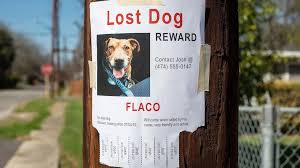
Contact local animal shelters and animal control agencies to file a found pet report. Provide them with a detailed description of the animal, including its breed, color, size, and any distinguishing features. Check with neighboring counties as well. The owner might be searching a wider area than you think. Posting flyers in the area where you found the pet can also be effective. Include a photo of the animal and your contact information. Consider offering a reward for the pet’s safe return, as this can incentivize owners to come forward.
Providing Temporary Care
While searching for the owner, you’ll need to provide temporary care for the found pet. Offer food and water, but be mindful of any dietary restrictions the animal may have. A sudden change in diet can cause digestive upset. Provide a safe and comfortable space for the pet to rest. This could be a spare room, a crate, or even just a quiet corner of your home. Keep the pet separate from your own animals, especially if you’re unsure of its health or temperament. This helps prevent the spread of any potential diseases or parasites.
Monitor the pet for any signs of illness or injury. If you notice anything concerning, take it to a veterinarian for examination. Remember that you are not obligated to keep the found pet indefinitely. If you are unable to provide long-term care, contact a local animal shelter or rescue organization. They can provide the pet with a safe and comfortable environment while they continue the search for its owner. Be sure to document everything, including dates, times, locations, and any interactions with the pet.
Common Mistakes to Avoid
When dealing with a lost pet, it’s easy to make unintentional mistakes that can hinder the reunion process. One common mistake is waiting too long to report the found pet. The sooner you report it, the higher the chances of finding the owner. Another mistake is assuming the pet was abandoned. Many pets escape accidentally, and their owners are desperately searching for them. Avoid making assumptions about the pet’s history or circumstances.
Never give the found pet away to someone else without first making a reasonable effort to find the owner. The owner may be heartbroken and actively searching for their beloved companion. Be wary of scams. Some individuals may pose as the owner to acquire the pet for malicious purposes. Ask for proof of ownership, such as photos or veterinary records, before relinquishing the animal. Trust your instincts, and if something feels off, contact the authorities.
Do not bathe the pet unless absolutely necessary. The pet’s scent can help the owner identify it. Also, refrain from posting overly specific details about the pet online. This can help you verify the true owner if someone comes forward. Ask potential owners to describe the pet’s unique markings or personality traits. Remember, the goal is to reunite the pet with its rightful owner, so take the necessary precautions to ensure a safe and successful outcome.
Key Takeaways
- Lost pet
- Found pet
- Stray animal
- Lost dog
- Lost cat
- Pet rescue
- Animal shelter
- Microchip
- Lost and found pets