Picture Perfect: Using Photos and Videos to Find Your Lost Pet
Unlock the power of visual media to bring your beloved companion home.
The Power of Visuals in a Lost Pet Search
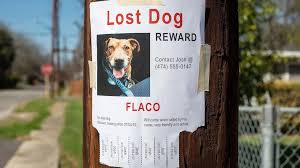
When your pet goes missing, emotions run high, and time is of the essence. While flyers and text descriptions are helpful, nothing quite compares to the immediate impact of a clear, recent photograph or video. Visuals cut through the noise, grabbing attention and providing crucial details that words alone can’t convey. A picture can instantly communicate your pet’s breed, size, and unique markings, significantly increasing the chances of someone recognizing and reporting a sighting.
Think about how you scroll through social media – images are what stop you in your tracks. The same principle applies to a lost pet search. A compelling photo can spark empathy and a desire to help, prompting viewers to share the post and actively search for your furry friend. Video adds another dimension, capturing your pet’s gait, personality, and vocalizations, further aiding identification. In this digital age, harnessing the power of photos and videos is paramount to a successful reunion.
What Makes a Good 'Lost Pet' Photo?
Not all photos are created equal when it comes to identifying a lost pet. A blurry, distant shot taken years ago won’t be nearly as effective as a recent, high-quality image. Aim for photos that are well-lit, in focus, and taken from a close enough distance to clearly show your pet’s features. Avoid photos where your pet is obscured by shadows, wearing bulky clothing, or positioned too far away. Ideally, you should have a variety of photos showcasing different angles and poses.
Pay attention to the background as well. A cluttered background can distract from your pet’s features, making it harder to identify them. Choose a simple, neutral background that allows your pet to stand out. If possible, take photos outdoors in natural light, as this tends to produce the most flattering and accurate results. Remember, the goal is to provide potential finders with a clear and accurate representation of your beloved companion, making it as easy as possible for them to recognize your pet.


Capturing Distinguishing Markings and Features
Unique markings are your pet’s fingerprint. Scars, birthmarks, unusual fur patterns, and even distinctive ear shapes can be invaluable in identifying a lost animal. Make sure your photos highlight these distinguishing features. Take close-up shots of any unique markings, and include photos that show your pet from multiple angles to capture all sides of their body. If your pet has a microchip, consider taking a photo of the microchip insertion site, as this can sometimes be visible.
Don’t forget to capture your pet’s eyes. The color and shape of your pet’s eyes can be very distinctive. A clear, close-up photo of their face can be particularly helpful in confirming their identity. If your pet has any physical quirks, such as a limp or a head tilt, try to capture these in a video. These subtle details can make all the difference in distinguishing your pet from similar-looking animals.
Leveraging Digital Platforms for Visual Matching
Numerous digital platforms are dedicated to helping reunite lost pets with their owners, and many of these platforms rely heavily on visual matching. Websites like Pet FBI, Lost Dogs of America, and local animal shelters often have searchable databases where users can upload photos of found animals. These platforms use facial recognition technology and manual review to compare found pet photos with those of lost pets, significantly increasing the chances of a match.
Social media platforms like Facebook and Instagram are also powerful tools for visual matching. Create a dedicated post with clear photos and videos of your lost pet, and share it widely within local community groups and animal rescue organizations. Encourage your friends and followers to share the post as well. The more people who see your pet’s photos, the higher the likelihood of someone recognizing them and reporting a sighting. Be sure to include relevant hashtags, such as #lostdog, #lostcat, and your city or region, to increase the visibility of your post. Regularly monitor these platforms for any posts about found animals that might match your pet’s description.
Creating a 'Lost Pet' Video
A video can capture aspects of your pet that photos simply can’t. Record your pet walking, playing, or interacting with you. Capture their bark or meow, and any other unique sounds they make. A video can reveal their personality and temperament, which can be crucial in helping someone determine if they’ve found your pet. When creating a lost pet video, keep it short and focused. Highlight their distinguishing features and any unique behaviors. Include clear footage of their face, body, and any identifying markings. If possible, include footage of them responding to their name or a familiar command.
Upload the video to YouTube or Vimeo and share the link on social media and lost pet websites. A video can be particularly effective in capturing the attention of potential finders and eliciting an emotional response. It can also help to dispel any doubts about whether a found animal is indeed your lost pet. Remember to keep the video public and easily shareable, and to include your contact information in the video description.
Beyond the Photo: Essential Information to Include
While high-quality photos and videos are crucial, they’re just one piece of the puzzle. Always include detailed written descriptions alongside your visuals. Specify your pet’s breed, age, sex, weight, and any unique markings. Describe their personality and temperament – are they friendly and outgoing, or shy and timid? Note any medical conditions or special needs they may have. Provide your contact information, including your phone number and email address, and clearly state that your pet is lost and you are seeking help in finding them.
When posting on digital platforms, be sure to include the date and location where your pet was last seen. The more information you provide, the easier it will be for potential finders to determine if they’ve spotted your pet. Consider offering a reward for your pet’s safe return, as this can incentivize people to actively search for them. Remember, a comprehensive approach that combines compelling visuals with detailed written information is the most effective way to maximize your chances of a successful reunion.
Key Takeaways
- Lost pet
- Pet recovery
- Lost dog
- Lost cat
- Pet photography
- Animal rescue
- Pet identification