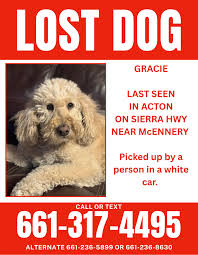
Reunited and Recovering: What to Do After Your Lost Pet Returns
Bringing your lost pet home is just the first step. Here's how to ensure a smooth and healthy recovery.
Immediate Health Assessment: First Steps After Reunification
The sheer relief of having your lost pet back is overwhelming. However, before the celebrations fully commence, prioritize a quick health assessment. Even if your pet appears fine, a period of being lost can expose them to various hazards. Begin by checking for any obvious injuries such as limping, cuts, or abrasions. Examine their fur for signs of parasites like fleas or ticks, which are common in outdoor environments. Dehydration is also a significant concern. Offer your pet small amounts of water frequently rather than allowing them to gulp down a large bowl, which can cause vomiting.
Carefully inspect their paws for any injuries or embedded objects. If you notice anything concerning, such as deep wounds, severe bleeding, or signs of infection (pus, swelling, excessive redness), seek immediate veterinary attention. Even if you don’t see any apparent injuries, a veterinary check-up within the first 24-48 hours is highly recommended. They can perform a more thorough examination and address any underlying issues that might not be immediately visible.
During this initial assessment, observe your pet’s behavior. Are they excessively tired, unusually aggressive, or showing signs of disorientation? These could be indicators of underlying health problems that require prompt veterinary care. Remember, early detection and treatment are crucial for a swift and complete recovery.
Veterinary Check-Up: Essential Tests and Vaccinations
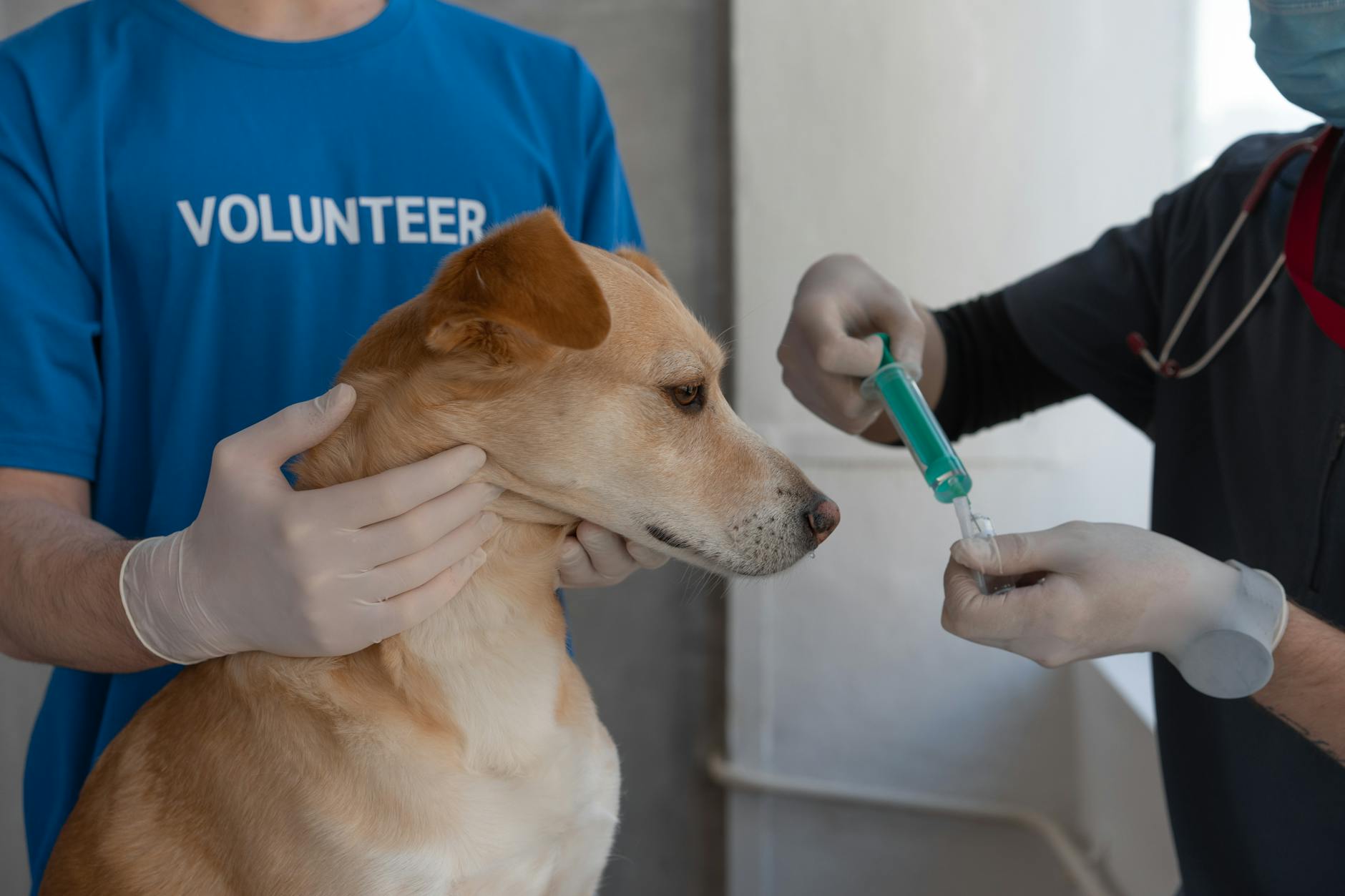
A comprehensive veterinary check-up is paramount after your pet’s return. Your veterinarian will conduct a thorough physical examination, checking vital signs such as temperature, heart rate, and respiration. They may also recommend blood tests to assess organ function and detect any infections or diseases. Fecal tests are crucial to identify internal parasites, which are common in animals that have been exposed to unsanitary conditions.
Discuss with your veterinarian whether your pet’s vaccinations are up-to-date. Being lost can expose your pet to diseases they might not be protected against. Booster shots for rabies, distemper, parvovirus (for dogs), and feline leukemia virus (for cats) might be necessary. If your pet wasn’t microchipped before, now is the perfect time to get it done. Ensure your contact information is accurate and up-to-date in the microchip registry. This significantly increases the chances of a swift reunion should your pet ever go missing again.
Your veterinarian can also advise on appropriate deworming and flea/tick prevention protocols. They can recommend safe and effective products tailored to your pet’s specific needs and lifestyle. Don’t hesitate to ask any questions you have about your pet’s health or care. Your veterinarian is your best resource for ensuring a smooth and healthy recovery for your beloved companion.

Emotional Re-Acclimation: Reducing Stress and Anxiety
Being lost is a traumatic experience for pets, often leading to significant stress and anxiety. When your pet returns home, create a calm and reassuring environment. Avoid overwhelming them with excessive attention or loud noises. Provide them with a safe and comfortable space, such as their favorite bed or a quiet corner. Offer familiar toys and blankets that carry their scent to help them feel secure.
Maintain a consistent routine. Regular feeding times, walks (if appropriate), and playtime can help re-establish a sense of normalcy and predictability. Observe your pet’s body language for signs of stress, such as panting, pacing, trembling, or hiding. If they exhibit these behaviors, give them space and avoid forcing interaction. Pheromone diffusers or sprays, such as those containing dog-appeasing pheromones or Feliway (for cats), can help reduce anxiety. Consult your veterinarian about other calming aids, such as supplements or medications, if your pet’s anxiety is severe or persistent.
Patience is key during this re-acclimation period. It may take time for your pet to fully adjust and regain their confidence. Avoid punishing them for any accidents or behavioral changes that may occur due to stress. Instead, focus on positive reinforcement and reward calm, relaxed behavior. With gentle care and understanding, your pet will gradually regain their emotional equilibrium and feel safe and secure in their home once more.
Strengthening Your Prevention Strategy: Ensuring It Never Happens Again
While the joy of reunion is immense, it’s crucial to learn from the experience and implement measures to prevent future disappearances. Start by evaluating your home and yard for potential escape routes. Secure fences, repair any holes or gaps, and ensure gates are properly latched. Consider installing a pet-proof fence or coyote rollers if you live in an area with wildlife. Train your pet to respond to basic commands such as “stay” and “come,” which can be invaluable in preventing them from running off.
Always use a secure leash and collar when walking your pet. Consider using a harness, which provides better control and reduces the risk of your pet slipping out. Ensure your pet’s identification tags are securely attached to their collar and contain up-to-date contact information. Microchipping is an essential backup. Double-check that your contact information is accurately registered with the microchip company and keep it updated if you move or change your phone number.
Be extra vigilant during holidays or events that involve loud noises, such as fireworks or thunderstorms, as these can frighten pets and cause them to bolt. Keep your pet indoors in a safe and secure environment during these times. Consider creating a designated “safe room” where they can retreat to feel secure. By taking these proactive steps, you can significantly reduce the risk of your pet becoming lost again and ensure their safety and well-being for years to come.
Key Takeaways
- Lost pet
- Pet recovery
- Pet health
- Pet anxiety
- Pet safety
- Lost dog
- Lost cat