Homecoming Heroes: How Animal Shelters Reunite Lost Pets and Owners
Discover how animal shelters and digital tools are helping lost pets find their way back home.
The Vital Role of Animal Shelters in Pet Reunification
Losing a pet is a heartbreaking experience for any owner. In those frantic moments, local animal shelters become a beacon of hope. These shelters serve as temporary havens for lost animals, providing them with food, shelter, and care while actively working to reunite them with their families. Animal shelters are more than just holding facilities; they are often the first place a lost pet is taken, making them a critical point of contact in the reunification process.
Shelters employ various methods to identify and locate pet owners. They meticulously check for identification tags, scan for microchips, and maintain databases of found animals. Staff members often have extensive knowledge of local pet populations and can recognize animals reported missing by community members. Their dedication and expertise are invaluable in bridging the gap between lost pets and their anxious owners, turning potential tragedies into joyful reunions.
Beyond the immediate care and identification efforts, animal shelters also play an important educational role. They promote responsible pet ownership, emphasizing the importance of microchipping, visible identification tags, and keeping pet registration information up-to-date. By fostering a culture of proactive pet care, shelters aim to reduce the number of lost animals and increase the chances of successful reunions.
Working Effectively with Animal Shelters to Find Your Lost Pet
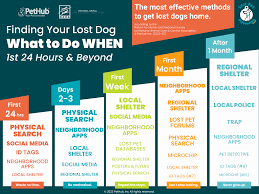
When your pet goes missing, time is of the essence. Your first step should be to immediately contact all local animal shelters and humane societies. Provide a detailed description of your pet, including breed, size, color, any distinguishing markings, and whether it is wearing a collar or has a microchip. The more information you can provide, the better the chances of a positive identification. Don’t just call; visit the shelters in person to look for your pet yourself. Viewing the animals in person can often be more effective than relying solely on phone descriptions or online postings.
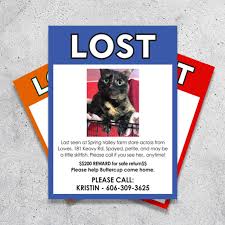
Regularly follow up with the shelters, as new animals arrive daily. Also, ask about their specific procedures for handling lost pets and what steps they take to locate owners. Inquire about their online resources, such as websites or social media pages, where they may post photos of found animals. Actively monitor these resources and share them with your network of friends and neighbors. Create a ‘lost pet’ flyer with a clear photo of your pet, your contact information, and any relevant details. Distribute these flyers in the vicinity where your pet was last seen and around the animal shelters themselves.
Building a positive relationship with the shelter staff can significantly aid your search. Treat them with respect and understanding, recognizing that they are often dealing with numerous animals and distressed owners. By being proactive, persistent, and collaborative, you increase the likelihood of a happy reunion with your beloved pet.

Holding Periods and What Happens Next
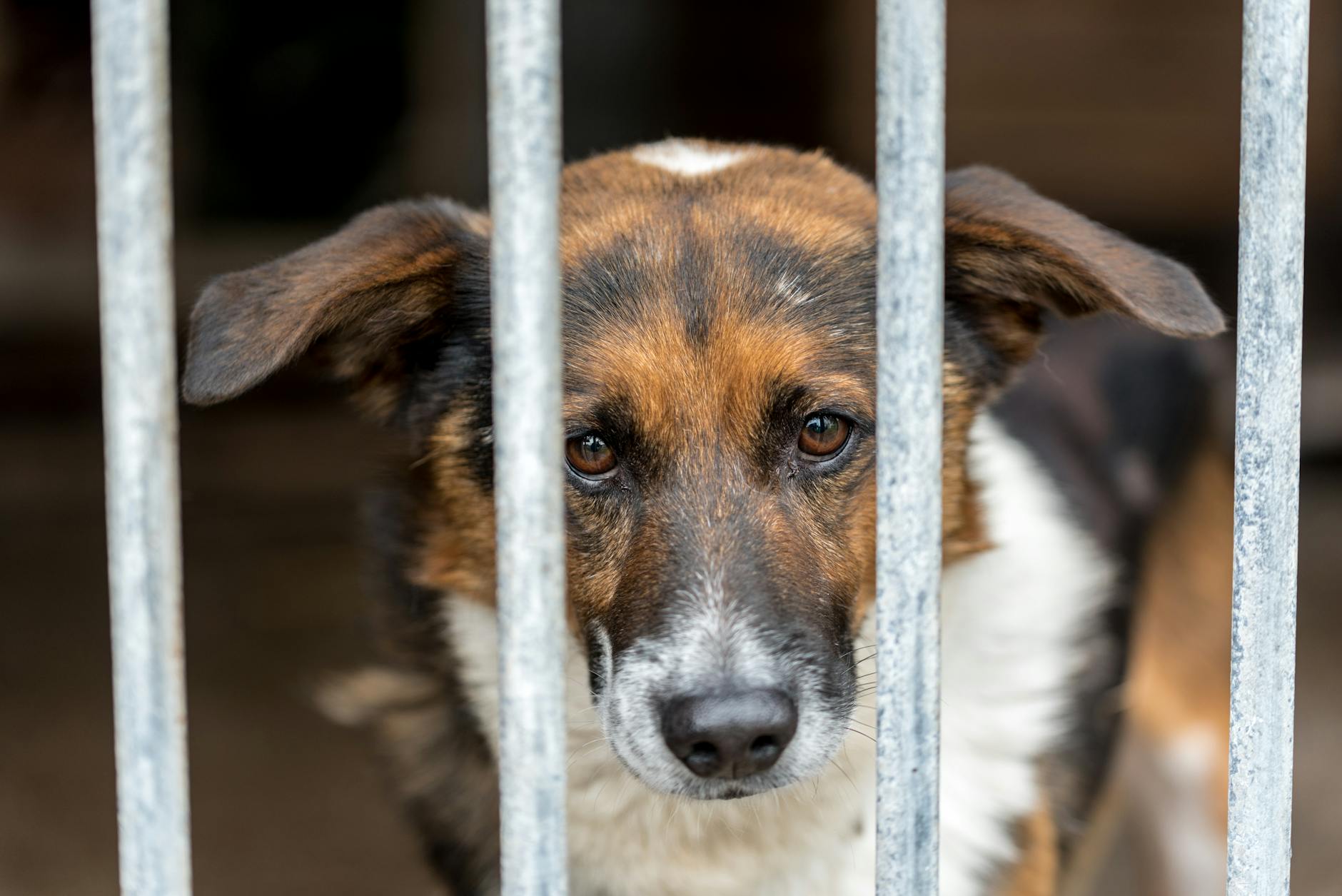
Animal shelters are legally required to hold stray animals for a specific period, giving owners time to locate and reclaim them. The length of this holding period varies depending on local laws and regulations, but it typically ranges from three to seven days. If the animal has identifiable information, such as a microchip or tag, the shelter will make reasonable attempts to contact the owner during this time.
If the owner is not found within the holding period, the animal may become available for adoption. Shelters prioritize finding loving homes for these animals, often through adoption events and online listings. Before an animal is adopted, it typically undergoes a veterinary examination, vaccinations, and may be spayed or neutered. Some shelters partner with rescue organizations to provide specialized care for animals with specific needs or breeds.
Even after the holding period has expired, it’s still worthwhile to check with the shelter periodically. Sometimes, animals are misidentified, or owners may not be located immediately. If your pet has been microchipped, ensure your contact information is up-to-date with the microchip registry. This is crucial for the shelter to reach you if your pet is found. While the holding period provides a window for reunification, continued vigilance and communication with the shelter can increase the chances of a positive outcome.
The Power of Digital Lost Pet Reports
In today’s digital age, online lost pet reports are a powerful tool for reuniting lost animals with their owners. Websites and apps dedicated to lost and found pets allow you to create detailed listings with photos, descriptions, and contact information. These platforms often use geolocation to match lost pets with found pets in the same area, significantly increasing the chances of a successful reunion. Digital reports can be shared widely on social media, reaching a vast network of potential helpers.
By creating a digital lost pet report, you can expand your search beyond the confines of local animal shelters. Neighbors, community groups, and even people passing through the area can become aware of your missing pet and keep an eye out. Many animal shelters also utilize these online platforms to post information about found animals, creating a centralized database for lost and found pets. Some platforms even offer features like automated flyer generation and social media sharing tools, making it easier to spread the word.
The combination of proactive communication with animal shelters and the use of digital lost pet reports creates a comprehensive strategy for finding your missing companion. By leveraging both traditional and modern methods, you maximize your chances of a heartwarming reunion and bring your beloved pet back home where they belong. Furthermore, these digital tools provide much-needed support to animal shelters, allowing them to focus on the care and well-being of the animals in their charge.
Microchipping: Your Pet's Lifeline Home
Microchipping is one of the most effective ways to ensure your pet’s safe return if they ever get lost. A microchip is a small, electronic chip, about the size of a grain of rice, that is implanted under your pet’s skin. Each chip has a unique identification number that is linked to your contact information in a registry. When a lost pet is found and taken to an animal shelter or veterinary clinic, they will scan the pet for a microchip. If a chip is detected, the shelter or clinic can contact the registry and obtain your contact information to reunite you with your pet.
Unlike collars and tags, which can be lost or removed, a microchip is a permanent form of identification. It’s essential to keep your contact information up-to-date with the microchip registry whenever you move or change your phone number. Many pet owners mistakenly believe that the microchip itself contains their information, but it’s the registry that holds the key to reuniting you with your pet. Some microchip companies offer additional services, such as lost pet alerts and online pet profiles, which can further enhance your chances of a successful reunion.
Microchipping is a simple, affordable procedure that can be performed by your veterinarian. It’s a small investment that can provide peace of mind and significantly increase the likelihood of your pet returning home safely if they ever become lost. Make sure to register the microchip immediately after implantation and keep your information current to ensure your pet’s lifeline home remains active and effective.
Key Takeaways
- Lost pets
- Animal shelters
- Pet recovery
- Reuniting pets
- Lost pet reports
- Pet microchipping