The Psychology of Lost Pets: Why Cats and Dogs Behave Differently and How to Find Them
Unlocking the secrets to their behavior can significantly increase your chances of bringing them home.
Understanding the Mindset of a Lost Cat
When a cat becomes lost, its primary instinct is often to find a safe, quiet place to hide. Unlike dogs, who are generally more social and may actively seek out human contact, cats tend to revert to a more solitary, survival-based mindset. This difference stems from their evolutionary history as both predators and prey. A frightened cat will prioritize avoiding danger over seeking comfort or assistance.
This explains why lost cats are often found relatively close to home, even after several days or weeks. They may be hiding under porches, in sheds, or within dense bushes. Their goal is simply to remain unseen and unheard until they feel safe enough to move. This ‘fight or flight’ response dictates their actions, making them less likely to respond to calls or familiar voices, especially in the initial stages of being lost.
Furthermore, a cat’s established territory plays a significant role. If displaced from their familiar environment, their anxiety increases exponentially. They are creatures of habit and routine, so disruption can be incredibly stressful. This stress further reinforces their instinct to hide and remain silent.
The Different World of a Lost Dog
Dogs, on the other hand, often exhibit a more social and exploratory behavior when lost. Their pack mentality and reliance on human interaction drive them to seek out companionship, even if it’s not with their original owner. While some dogs may initially experience fear and anxiety, their inherent desire to connect often overrides their instinct to hide.
A lost dog is more likely to travel greater distances, following scents and sounds. They may approach strangers in search of food or attention, or they may attempt to find their way back home by retracing their steps. Their behavior is often influenced by their breed and personality. High-energy breeds may be more prone to wandering, while more timid dogs may become fearful and hide, though less consistently than cats.
It’s also important to consider the circumstances of the dog’s disappearance. A dog that bolted during a thunderstorm is likely to behave differently than one that simply wandered off while exploring. Fear and panic can significantly alter their behavior, making them less predictable.


Effective Search Strategies for Lost Cats
Given a cat’s tendency to hide close to home, the initial search efforts should focus on the immediate vicinity. Conduct a thorough search of your property and surrounding areas, paying close attention to potential hiding places such as under decks, inside sheds, and among dense vegetation. Use a flashlight to check dark corners and crevices.
Since lost cats often respond to familiar sounds, try calling their name in a calm, reassuring voice, especially during quiet times of the day like early morning or late evening. Place familiar items, such as their bedding or favorite toys, outside your home to create a comforting scent trail. Consider using a humane trap baited with tuna or wet food to safely capture a skittish cat.
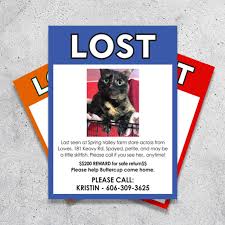
Alert your neighbors and ask them to check their properties as well. Post flyers with a clear photo of your cat and your contact information. Online resources, such as social media groups and lost pet websites, can also be invaluable in spreading the word and gathering potential leads.
Optimizing Your Search for a Missing Dog
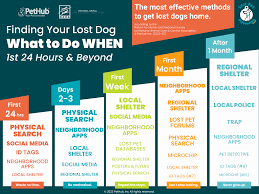
Because lost dogs often travel further afield, a broader search strategy is typically required. Start by notifying local animal shelters, veterinary clinics, and animal control agencies. Provide them with a detailed description of your dog, including any identifying marks or microchip information.
Post flyers in high-traffic areas, such as parks, community centers, and grocery stores. Utilize social media to share your dog’s photo and information, and ask friends and neighbors to spread the word. Consider offering a reward for your dog’s safe return, as this can incentivize people to be on the lookout.
If your dog is microchipped, ensure that your contact information is up-to-date with the microchip registry. This will greatly increase your chances of being reunited if your dog is found and scanned. Organize search parties to cover larger areas, focusing on parks, trails, and other places where dogs are commonly walked. When calling your dog’s name, use an upbeat and encouraging tone, as this is more likely to elicit a positive response.
The Power of Scent: A Universal Tool
Regardless of whether you’re searching for a cat or a dog, scent plays a crucial role. Both species have a highly developed sense of smell, and familiar scents can provide a powerful beacon. Use items with your pet’s scent and your own scent to create a trail leading back to your home. This can be especially effective for cats who are hiding nearby but are too afraid to move.
Consider using a worn article of clothing, such as a t-shirt or blanket, and placing it outside your home. You can also create a scent trail by dragging the clothing along the ground in the direction you want your pet to follow. Refresh the scent trail regularly, especially after rain or strong winds.
For dogs, consider using their favorite toys or treats to create a scent trail. You can also try using a scent-detection dog, which is specifically trained to locate lost animals by following their scent. These dogs can be particularly helpful in challenging terrain or when time is of the essence.
Prevention is Key: Keeping Your Pets Safe
While understanding the psychology of lost pets is essential for recovery, prevention is always the best approach. Ensure that your pets are properly identified with collars, tags, and microchips. Keep your contact information up-to-date with all relevant registries. Regularly check your fences and gates for any potential escape routes.
Train your dog to come when called, even in distracting environments. This can be a lifesaver if they ever become separated from you. For cats, consider keeping them indoors or providing them with a secure outdoor enclosure. Avoid walking dogs off-leash in unfamiliar areas, and always be aware of your surroundings.
By taking these precautions, you can significantly reduce the risk of your beloved pet becoming lost. However, if the unthinkable does happen, remember that understanding their unique behavior and employing targeted search strategies can greatly increase your chances of a happy reunion.
Key Takeaways
- Lost cats
- Lost dogs
- Pet psychology
- Pet recovery
- Lost pet behavior
- Cat search tips
- Dog search tips