Paw Patrol: How Social Media Revolutionized Finding Lost Pets
From frantic flyers to viral posts, see how digital platforms are bringing furry friends home faster.
The Old Days: A Lost Pet Nightmare
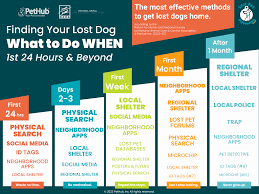
Imagine this: Your beloved pet goes missing. Twenty years ago, the panic would set in, followed by a flurry of frantic activity. You’d spend hours creating and posting flyers, plastering them on every lamppost, telephone pole, and community bulletin board within a mile radius. You’d call local animal shelters repeatedly, hoping someone had turned in a pet matching your description. Newspaper ads were costly and slow. Word-of-mouth was your best friend, but its reach was limited. The process was exhausting, time-consuming, and often heartbreakingly ineffective. The chances of a successful reunion dwindled with each passing day, relying heavily on luck and the kindness of strangers within a limited geographic area.
The emotional toll was immense. Days turned into weeks, filled with sleepless nights and constant worry. The sheer manual labor involved in the search often left pet owners feeling defeated and alone in their struggle. Moreover, the lack of centralized information meant that a lost pet could easily languish in a shelter unnoticed by its frantic family, simply because the shelter wasn’t on their radar.
Social Media: A Game Changer for Pet Recovery
Fast forward to today, and the landscape of lost pet recovery has been completely transformed by social media. Platforms like Facebook, Instagram, and dedicated pet-finding groups have become powerful tools for spreading the word and mobilizing entire communities. Instead of relying on physical flyers, a pet owner can now instantly share a photo and description of their missing animal with hundreds or even thousands of people in their local area. Social media allows for real-time updates, targeted sharing, and the ability to harness the collective power of online networks.
The speed and reach of social media are unparalleled. A single post can go viral within hours, reaching individuals who might have spotted the pet miles away. The ability to share posts across multiple platforms and within specific community groups exponentially increases the chances of a successful reunion. Furthermore, social media fosters a sense of community and encourages people to actively participate in the search, offering support, advice, and even organizing search parties.

Community Alerts and Shelter Databases: A Powerful Combination
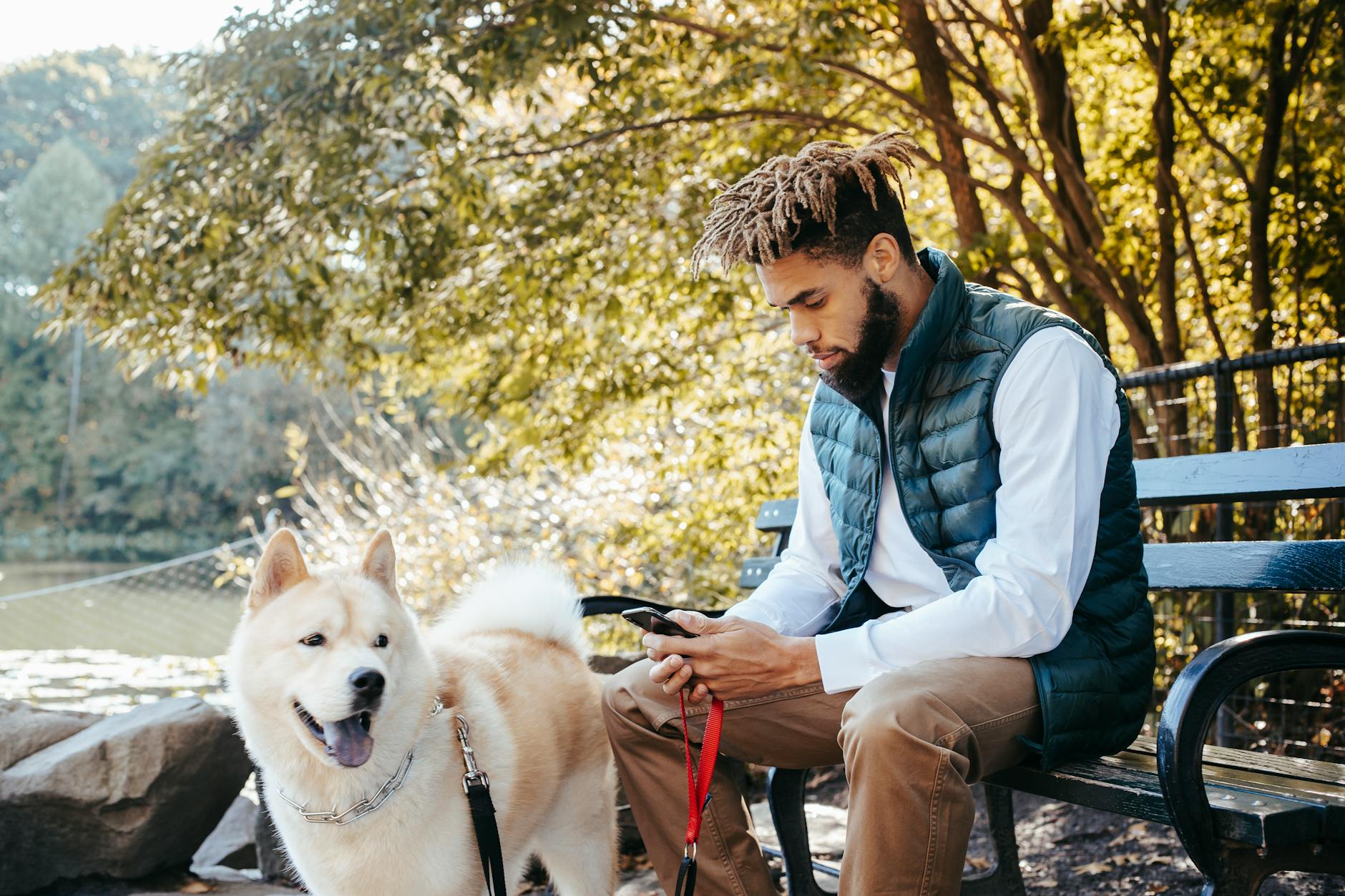
Beyond general social media platforms, specialized services have emerged that combine community alerts with comprehensive shelter databases, further streamlining the pet recovery process. These platforms allow pet owners to create detailed profiles of their missing animals, including photos, descriptions, and any distinguishing features. This information is then automatically shared with local shelters, veterinarians, and other relevant organizations, ensuring that everyone is on the lookout. Simultaneously, alerts are sent to nearby residents via email, text message, or push notification, prompting them to keep an eye out for the missing pet.
The integration of shelter databases is particularly crucial. By centralizing information about found animals, these platforms make it much easier for owners to identify their pets, even if they’ve been taken to a shelter outside their immediate neighborhood. The real-time nature of these databases means that information is constantly updated, reducing the chances of a pet languishing unclaimed. This combination of proactive alerts and comprehensive data significantly increases the speed and efficiency of pet recovery efforts.
Success Stories: Reunions Made Possible by Technology
The impact of social media and integrated platforms on pet recovery is evident in countless success stories. Imagine a scenario where a dog named Max escapes from his backyard. In the past, his owner might have spent weeks searching fruitlessly. Today, a quick post on Facebook, shared within local pet groups, leads to a sighting just a few blocks away. A neighbor recognizes Max from the post and contacts the owner, resulting in a joyful reunion within hours. Or consider a cat named Luna, who ends up at a local shelter after going missing. Thanks to a platform that automatically scans shelter intakes for matches, Luna’s owner is notified within minutes, preventing her from spending days or weeks in the shelter system.
These stories highlight the transformative power of technology in reuniting lost pets with their families. The speed, reach, and efficiency of social media and integrated platforms have made a significant difference in the lives of countless animals and their owners, turning what was once a daunting and often hopeless endeavor into a more manageable and ultimately successful process.
Tips for Using Social Media to Find a Lost Pet
To maximize your chances of a successful reunion, here are some tips for using social media effectively when searching for a lost pet:
- Post clear, recent photos: Use high-quality images that clearly show your pet’s face and any distinguishing features.
- Provide detailed descriptions: Include your pet’s breed, size, color, age, and any unique markings or personality traits.
- Share on multiple platforms: Don’t limit yourself to just one social media site. Post on Facebook, Instagram, Twitter, and any local pet-finding groups.
- Use relevant hashtags: Hashtags like #LostPet, #MissingDog, #FoundCat, and #[YourCity]Pets can help your post reach a wider audience.
- Engage with your community: Respond to comments and messages promptly, and thank people for their help.
- Consider paid advertising: Boost your post to reach even more people in your target area.
- Don’t give up: Keep sharing your post and checking local shelters and online databases regularly.
By following these tips, you can harness the power of social media to increase your chances of bringing your beloved pet home safely.
The Future of Pet Recovery: What's Next?
The evolution of pet recovery technology is far from over. We can expect to see even more innovative solutions emerge in the coming years, driven by advancements in artificial intelligence, GPS tracking, and data analytics. Imagine a future where microchips are equipped with GPS capabilities, allowing owners to track their pets in real-time. Or picture AI-powered facial recognition software that can automatically identify lost animals from photos and match them with their owners. The possibilities are endless.
Furthermore, we can anticipate greater integration between social media platforms, shelter databases, and veterinary clinics, creating a seamless and comprehensive pet recovery ecosystem. This interconnectedness will enable faster response times, more accurate matching, and ultimately, a higher success rate for reuniting lost pets with their families. As technology continues to advance, the days of frantic flyers and endless phone calls may soon be a distant memory, replaced by a more efficient, data-driven, and compassionate approach to pet recovery.
Key Takeaways
- Lost pets
- Pet recovery
- Social media
- Animal shelters
- Pet safety
- Community alerts
- Pet technology