Why Do Dogs Escape? Common Causes and Prevention Tips
Understanding the reasons behind dog escapes and how to effectively prevent them.
The Mystery of the Missing Mutt: Understanding Why Dogs Escape
The anguish of realizing your beloved dog has escaped is a feeling no pet owner wants to experience. Escape attempts are surprisingly common, and understanding the underlying reasons is the first step in preventing future incidents. Dogs escape for a variety of reasons, ranging from simple curiosity to more complex behavioral issues. Identifying the root cause of your dog’s wanderlust is crucial for implementing effective preventative measures. Sometimes, it’s as simple as boredom and a desire for exploration. Other times, it’s triggered by fear, anxiety, or the irresistible allure of a scent.
Many dogs are natural explorers. Their heightened senses of smell and hearing can lead them on adventures beyond the confines of your yard. A nearby animal, an interesting smell, or even the sound of children playing can pique their curiosity and trigger an escape attempt. Furthermore, some breeds are simply more prone to wandering than others due to their inherent instincts and energy levels. Understanding your dog’s breed characteristics can provide valuable insight into their potential escape tendencies.
Fortress Fido: Securing Your Property to Prevent Escapes
One of the most common reasons for dog escapes is inadequate fencing. A seemingly minor gap under the fence, a loose board, or a gate that doesn’t latch properly can provide an opportunistic escape route for a determined dog. Regularly inspect your fence for any signs of damage or weakness. Pay close attention to the bottom of the fence, as dogs are adept at digging under it. Consider adding a buried wire mesh or concrete footer along the base of the fence to deter digging.
Gate latches are another critical point of vulnerability. Ensure that your gate latches securely and cannot be easily opened by your dog. Self-latching mechanisms are highly recommended, as they eliminate the risk of human error. Regularly test the latch to ensure it’s functioning correctly. For added security, consider adding a padlock or carabiner clip to the latch. Furthermore, ensure the height of your fence is appropriate for your dog’s size and jumping ability. A dog that can easily clear a low fence is more likely to attempt an escape.

Anxiety's Leash: Addressing Separation Anxiety and Fear-Based Escapes
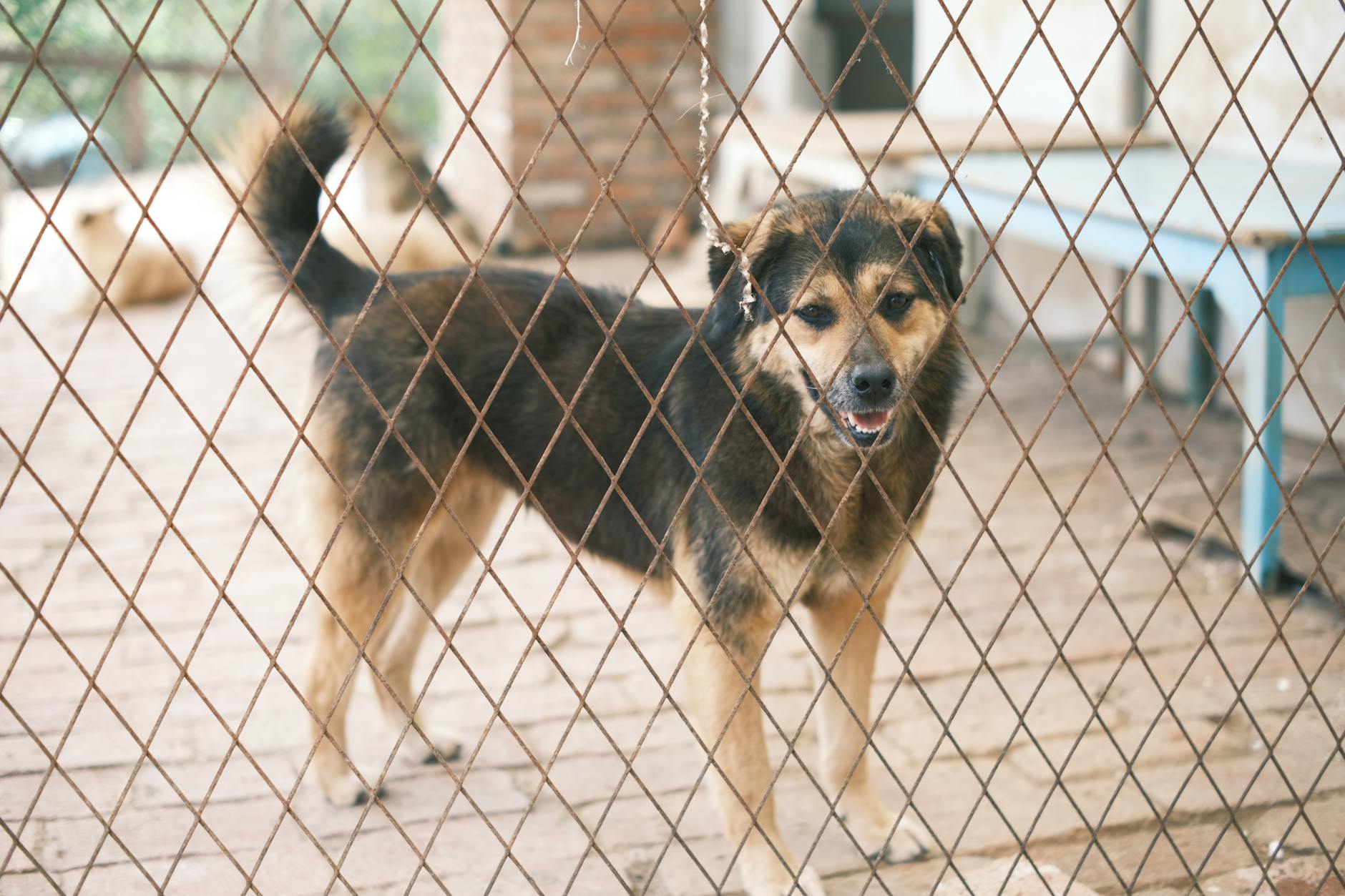
Escape attempts are often a symptom of underlying anxiety or fear. Separation anxiety, triggered by being left alone, can cause dogs to panic and desperately seek a way out. Loud noises, such as thunderstorms or fireworks, can also induce fear and lead to escape attempts. If you suspect your dog is escaping due to anxiety, consult with a veterinarian or certified professional dog trainer. They can help you develop a behavior modification plan to address the underlying cause of the anxiety.
Counter-conditioning and desensitization techniques can be highly effective in reducing anxiety. These techniques involve gradually exposing your dog to the source of their fear or anxiety in a controlled and positive manner. Creating a safe and comfortable space for your dog, such as a crate or den, can also provide them with a sense of security and reduce their likelihood of escaping when feeling anxious or fearful. Consider leaving the television or radio on to provide background noise and mask external sounds.
The High-Tech Hound: Leveraging Lost Pet Alert Systems
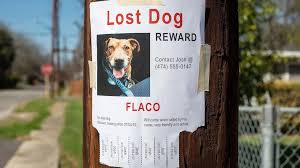
Even with the best preventative measures, accidents can happen. A lost pet alert system can significantly increase the chances of a safe and speedy reunion with your dog. These systems utilize a combination of technologies, such as GPS tracking, microchips, and online databases, to help locate and identify lost pets. GPS trackers attached to your dog’s collar provide real-time location information, allowing you to quickly pinpoint their whereabouts. Microchips, implanted under the skin, contain your contact information and can be scanned by veterinarians and animal shelters.
Online databases, such as Pet FBI or Lost Dogs of America, allow you to create a lost pet profile with your dog’s photo, description, and contact information. This information is then shared with a network of volunteers, animal shelters, and veterinary clinics in your area. Social media can also be a powerful tool for spreading the word about your lost dog. Share photos and information on local community groups and ask your friends and neighbors to keep an eye out. The more people who are aware of your missing dog, the greater the chances of a successful recovery.
Training and Enrichment: Keeping Your Dog Happy and Engaged
A bored dog is a more likely escape artist. Providing adequate mental and physical stimulation can significantly reduce the urge to roam. Daily walks, playtime, and training sessions can help burn off excess energy and keep your dog engaged. Puzzle toys, treat-dispensing toys, and interactive games can provide mental stimulation and prevent boredom. Consider enrolling your dog in obedience classes or agility training to further challenge their mind and body.
A tired dog is a good dog! Ensure that your dog is getting enough exercise for their breed, age, and energy level. A long walk or a vigorous play session before leaving them alone can help them relax and reduce the likelihood of an escape attempt. Rotate toys regularly to keep things interesting and prevent boredom. A tired and mentally stimulated dog is less likely to seek out adventure outside the confines of your yard. Creating a stimulating environment both indoors and outdoors is key to preventing escapes.
Community Watch: Enlisting Help from Neighbors and Friends
Your neighbors and friends can be valuable allies in preventing dog escapes. Let them know about your dog’s escape tendencies and ask them to keep an eye out. Share photos of your dog with them so they can easily identify them. If they see your dog wandering around, ask them to contact you immediately. Building a strong relationship with your neighbors can also help you identify potential escape routes or hazards in your neighborhood.
They may notice a gap in your fence that you haven’t seen or hear your dog barking excessively when you’re not home. Encourage your neighbors to report any suspicious activity or concerns they may have. A community-wide effort can significantly reduce the risk of dog escapes and ensure the safety of all pets in the neighborhood. Consider creating a neighborhood pet watch group to share information and coordinate efforts.
Key Takeaways
- Dog escape
- Dog safety
- Pet security
- Fence gaps
- Separation anxiety
- Lost pet alert