Navigating Peak Pet Loss Seasons: Keeping Your Furry Friend Safe
Understanding the risks and taking preventative measures can significantly reduce the chances of your beloved pet becoming lost.
The Alarming Reality of Lost Pets
Losing a pet is a heartbreaking experience for any owner. The fear, uncertainty, and frantic search can be incredibly stressful. Unfortunately, certain times of the year see a significant spike in the number of pets who go missing. Understanding these peak periods and the reasons behind them is the first step in protecting your furry companion. These periods often involve loud noises, unfamiliar environments, or disruptions to their normal routine. By being aware of these heightened risks, pet owners can proactively implement safety measures to minimize the likelihood of their beloved animals becoming lost. Preparation and vigilance are key to ensuring your pet’s safety and well-being throughout the year.
The distress of a lost pet extends beyond the immediate family. Shelters and rescue organizations become overwhelmed with the influx of displaced animals, and the emotional toll on volunteers and staff is considerable. Lost pets can also face dangers in the outside world, including traffic, predators, and exposure to the elements. For these reasons, it’s crucial to be informed and prepared to handle the unique challenges that each season presents.
July 4th: A Night of Fright and Flight
The Fourth of July, while a celebration for humans, is often a nightmare for pets. The loud bangs and bright flashes of fireworks can trigger extreme anxiety and fear, causing pets to bolt in panic. Many pets escape from their homes or yards during this time, becoming lost in unfamiliar surroundings. It’s crucial to take precautions well in advance of the holiday. Ensure your pet has proper identification, including a microchip with up-to-date contact information and a secure collar with ID tags.
On the day of the Fourth of July, keep your pet indoors in a safe and quiet space. Close windows and curtains to muffle the sounds and dim the lights. Provide a comfortable bed, favorite toys, and perhaps a white noise machine or calming music to help soothe their anxiety. Consider consulting with your veterinarian about anti-anxiety medication or calming aids if your pet has a history of severe fireworks-related stress. Never take your pet to fireworks displays, and be extra cautious when opening doors or gates, as they may try to escape.
After the fireworks have ended, carefully inspect your property for any potential escape routes or damage to fences. Continue to monitor your pet closely for signs of anxiety or distress. With careful planning and preparation, you can help your pet navigate this stressful holiday safely.
Thunderstorm Season: Battling the Boom
Thunderstorms, like fireworks, can be incredibly frightening for pets. The loud thunder, flashing lightning, and changes in barometric pressure can trigger anxiety and panic, leading to escape attempts. The thunderstorm season, which typically spans spring and summer, presents ongoing challenges for pet owners. Some pets exhibit subtle signs of anxiety, while others display more extreme behaviors, such as pacing, panting, hiding, or destructive tendencies.
During thunderstorms, provide your pet with a safe and comfortable indoor space. This could be a crate, a quiet room, or even a closet. Ensure the space is free from hazards and offers a sense of security. Play calming music or use a white noise machine to help mask the sounds of the storm. Consider using a pressure wrap, such as a Thundershirt, which can provide a sense of security and reduce anxiety. Positive reinforcement, such as offering treats and praise when your pet remains calm, can also be helpful.
If your pet suffers from severe thunderstorm anxiety, consult with your veterinarian about potential treatment options. These may include anti-anxiety medication or behavioral therapy. It’s also essential to ensure your pet has proper identification and is microchipped, as they may become disoriented and lost if they escape during a storm.
Moving Day Mayhem: Navigating the Chaos
Moving to a new home can be a stressful experience for both humans and pets. The upheaval, unfamiliar surroundings, and constant activity can be overwhelming for animals, increasing the risk of them becoming lost or disoriented. Pets may become anxious and try to escape the chaos, especially if they are not properly supervised during the move.
Before moving day, prepare a safe and comfortable space for your pet in the new home. This could be a quiet room with their familiar bedding, toys, and food and water bowls. On moving day, keep your pet confined to this space to minimize their exposure to the chaos. Consider boarding your pet or having a trusted friend or family member care for them during the move to reduce their stress levels. When transporting your pet to the new home, use a secure carrier or leash and collar. Once you arrive, allow them to explore their safe space before gradually introducing them to the rest of the house.
Ensure your pet’s identification tags and microchip information are up-to-date with your new address and contact information. Keep a close eye on your pet during the first few days in the new home, as they may be more likely to try to escape. Maintain their regular routine as much as possible to provide a sense of stability and security. With careful planning and preparation, you can help your pet adjust to their new surroundings and minimize the risk of them becoming lost.
Holiday Gatherings: Festive Dangers
Holiday gatherings, while joyful occasions for humans, can present hidden dangers for pets. The influx of guests, unfamiliar noises, and tempting food can create a stressful and potentially hazardous environment. Pets may become overwhelmed by the activity and try to escape, or they may ingest harmful foods or decorations. Open doors and gates also provide opportunities for escape.
Before holiday gatherings, ensure your pet has a safe and quiet space where they can retreat if they become overwhelmed. Inform guests about any rules regarding your pet, such as not feeding them table scraps or leaving doors open. Keep tempting foods, such as chocolate, grapes, and onions, out of reach of your pet. Be mindful of decorations that could be harmful if ingested, such as tinsel, ribbons, and poinsettias. Supervise your pet closely during the gathering and provide them with plenty of fresh water and opportunities to relieve themselves.
If your pet is prone to anxiety or stress during social gatherings, consider consulting with your veterinarian about calming aids or medication. Ensure your pet has proper identification and is microchipped in case they become lost. By taking these precautions, you can help ensure that your pet remains safe and comfortable during the holiday season.
What To Do If Your Pet Goes Missing
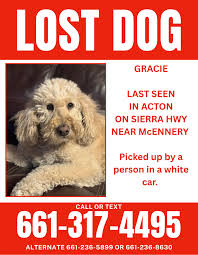
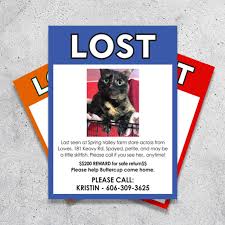
Despite your best efforts, your pet may still become lost. If this happens, act quickly and decisively to increase the chances of a safe return. Immediately search your home and yard, calling your pet’s name and checking their favorite hiding spots. Enlist the help of family members, friends, and neighbors in your search. Create and distribute flyers with a clear photo of your pet, your contact information, and any relevant details, such as their breed, age, and any distinguishing markings.
Contact local animal shelters, rescue organizations, and veterinary clinics to report your lost pet. Use social media to spread the word and ask for help from your community. Post on local lost and found pet pages and neighborhood groups. Consider offering a reward for your pet’s safe return. Don’t give up hope, and continue your search efforts until your beloved companion is found.
Prevention is always better than cure, but knowing what to do if your pet goes missing can make all the difference in a successful reunion. By taking proactive steps to protect your pet and being prepared to act quickly in the event of a loss, you can significantly increase the chances of a happy ending.
Key Takeaways
- Lost pets
- Pet safety
- Fireworks
- Thunderstorms
- Moving with pets
- Holiday pet safety